
A sports psychologist plays a significant role in bridging the gap between physical performance and mental strength. Their expertise is centered around enhancing an athlete’s mental well-being, resilience, and focus to optimize performance both on and off the field. In today’s competitive sports world, mental conditioning is as critical as physical training. Below is an exploration of their role and the ways they support athletes.
Key Responsibilities of a Sports Psychologist
- Performance Enhancement: Helping athletes shift their mindset, build concentration, and develop strategies to perform under pressure.
- Stress Management: Teaching techniques such as deep breathing, visualization, or mindfulness to deal with pre-game nerves or performance anxiety.
- Goal Setting: Assisting athletes in setting realistic yet ambitious goals that align with their overall career path.
- Injury Rehabilitation Support: Guiding athletes through the psychological struggles that often accompany physical recovery from injuries.
- Team Dynamics: Working with teams to foster trust, effective communication, and collaboration among players.
How They Make an Impact
- Building Resilience
Athletes often face setbacks like losses or injuries. A sports psychologist helps them reframe these experiences positively, encouraging growth instead of frustration. - Enhancing Focus Under Pressure
By introducing techniques such as visualization or mindfulness exercises, psychologists help athletes maintain composure during high-stakes situations. - Improving Communication with Coaches
Strong relationships between coaches and players are essential for success. Sports psychologists mediate conflicts or assist in bridging communication gaps when required. - Supporting Transition Periods
Whether it’s moving from amateur to professional levels or retiring from competitive sports altogether, these experts prepare individuals for essential transitions in their careers.
Effective Techniques Used by a Sports Mental Coach in Philadelphia, PA
| Technique | Purpose | Example |
| Visualization | Improving focus and confidence by mentally rehearsing plays or outcomes | Visualizing scoring a goal in soccer during practice sessions |
| Cognitive Behavioral Therapy (CBT) | Identifying negative thought patterns and replacing them with constructive thinking | Reframing “I will fail” into “I am prepared for this challenge” |
| Relaxation Techniques | Reducing stress levels before key events | Practicing deep-breathing exercises before competitions |
| Self-talk Strategies | Encouraging positive internal dialogue | Telling oneself “I’ve trained hard; I’m ready” before stepping on the field |
Benefits of Working With a Sports Psychologist
- Enhanced motivation and perseverance
- Improved adaptability in changing game conditions
- A stronger sense of self-worth even after defeats
- Better management of external pressures from fans, media, or sponsors
Sports psychologists are not solely focused on athletic success but aim to nurture well-rounded individuals who can handle all aspects of life associated with being an athlete—both challenges and triumphs alike.
Enhancing Athlete Development with a Sports Psychologist in Philadelphia, PA
Athlete development requires more than just physical conditioning and skill-building. Mental training and support play a pivotal role in shaping not just performance but also the long-term well-being of athletes. Sports psychologists work with athletes to enhance their mental strength, improve focus, and manage pressures that come with competitive sports. Below, we explore some key aspects of athlete development through mental training.
Maximize Your Potential with Sport Performance Training in Philadelphia, PA
- Enhanced focus and concentration: Techniques such as mindfulness or visualization can improve an athlete’s ability to stay present during high-pressure situations.
- Better stress management: Managing anxiety and nerves is critical for performance, particularly in competitive events.
- Resilience building: Developing the ability to bounce back from setbacks ensures sustained growth over time.
- Improved goal setting: Clear mental frameworks allow athletes to set realistic, measurable goals for their personal and professional growth.
Common Techniques Used by Sports Psychologists
| Technique | Description |
| Visualization | Athletes mentally rehearse scenarios to prepare for competition challenges. |
| Mindfulness Training | Focuses on helping athletes stay present and reduce performance anxiety. |
| Cognitive Restructuring | Helps replace negative thought patterns with constructive, positive ones. |
| Goal Setting | Structured approaches to short-term and long-term achievement planning. |
These tools are implemented not only during training sessions but also applied in real-time during competitions.
Exploring Sports Psychiatry in Philadelphia, PA for Mental Support
- High-stakes events often bring significant psychological pressure.
- Psychologists teach coping mechanisms to reduce the physical effects of anxiety (e.g., rapid heartbeat or muscle tension).
- Long seasons and repetitive routines can lead to exhaustion.
- Strategies such as time management and self-care can mitigate burnout risks.
- Confidence is critical for consistent performance.
- Positive affirmations and past successes are used as reminders when doubt arises.
- Retirement or changes in teams can create uncertainty.
- Psychologists provide tools for navigating these life transitions effectively.
Enhancing Long-Term Athlete Development Through Sports And Performance Psychology in Philadelphia, PA
- Early stages focus on fostering love for sport through enjoyment.
- Intermediate stages aim at refining skills while managing pressure effectively.
- Advanced stages integrate peak psychological preparation for elite-level competition.
This alignment ensures mental training evolves along with athletic progression.
Prioritizing mental training alongside physical preparation allows both aspiring and professional athletes to unlock their full potential while maintaining a healthy relationship with sport over the long term. Whether it’s overcoming obstacles or developing a champion mindset, sports psychology plays an integral role in athlete development at every level of their journey.
Maximizing Coach and Official Growth Through Performance and Sports Psychology in Philadelphia, PA
Coaches and sports officials play a pivotal role in the athletic ecosystem. Their decisions, behaviors, and mental resilience directly influence the performance of athletes and the overall atmosphere of competition. Sports psychology offers critical insights to empower coaches and officials, enabling them to enhance their leadership abilities, communication skills, and decision-making processes under pressure.
The Psychological Challenges Faced by Coaches and Officials
- High-Stress Environments: Managing expectations from athletes, fans, teams, or organizations.
- Decision-Making Under Pressure: Making split-second decisions while maintaining fairness and composure.
- Communication Barriers: Ensuring effective communication with athletes across diverse personalities or emotional states.
- Conflict Resolution: Handling disputes with players or among team members in a professional manner.
Addressing these challenges is essential for fostering an environment of growth and high performance.
Key Areas Where Sports Psychology Supports Coaches and Officials
- Developing mindfulness techniques to stay calm under pressure.
- Practicing responses to high-stress situations through scenario-based training.
- Teaching active listening techniques to ensure clarity in discussions with athletes or other stakeholders.
- Encouraging non-verbal communication practices that build trust and rapport.
- Applying cognitive-behavioral strategies to reduce impulsive reactions.
- Leveraging visualization techniques for pre-event preparation to anticipate tough choices.
- Learning how to inspire confidence within a team while managing individual athlete needs.
- Balancing empathy with authority to maintain respect within the group dynamic.
The Role of Mental Skills Training for Coaches and Officials
| Mental Skill | Application Example |
| Self-Talk | Reframing negative thoughts into constructive actions |
| Stress Management | Using breathing exercises during heated situations |
| Focus Training | Maintaining concentration amidst external distractions |
| Goal Setting | Establishing clear objectives for team progress |
Integrating these mental tools helps coaches guide their teams effectively while ensuring personal well-being.
Benefits of Integrating Sports Psychology into Coaching Practices
- Enhanced self-awareness leading to better decision-making outcomes.
- Stronger relationships with athletes built on mutual respect.
- Reduced burnout through improved stress management techniques.
- Greater consistency in maintaining impartiality during high-pressure moments.
By understanding the psychological principles behind behavior, they foster environments where both personal growth and competitive success thrive.
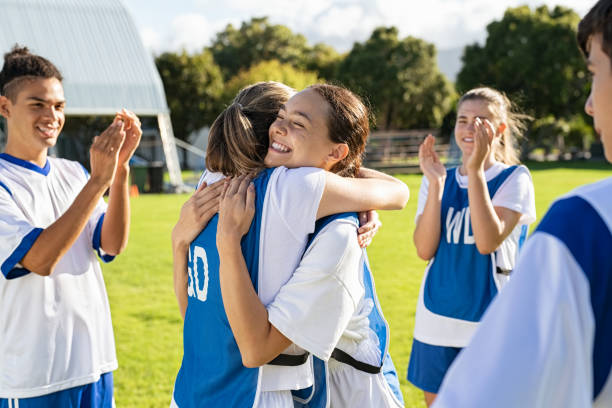
How Sports Performance Coaching in Philadelphia, PA Shapes the Work of a Sports Psychologist
Sport participation research plays a critical role in shaping the methods, strategies, and goals of sports psychologists. By analyzing trends and patterns in athlete participation, this research provides valuable insights into behavioral, psychological, and physiological factors that influence performance and well-being. Below is an exploration of how such research informs the work of sports psychologists.
Understanding Participation Trends
Sport participation research helps sports psychologists understand why individuals engage in sports and what barriers they face. This knowledge shapes interventions designed to enhance participation rates and maintain long-term involvement in physical activities.
Key areas of focus include: – Demographic Trends: Research into age, gender, socioeconomic status, and ethnicity provides insight into which groups are more likely to participate and why. – Motivational Factors: Studies reveal intrinsic (e.g., enjoyment) and extrinsic (e.g., awards) motivators driving participation across different sports. – Barriers to Entry: Identifying challenges such as accessibility, financial constraints, or lack of confidence allows psychologists to develop targeted strategies for overcoming these hurdles.
Designing Tailored Interventions
Participation data enables sports psychologists to create customized mental training programs. For instance: – Athletes engaging in high-intensity competitions may benefit from stress management techniques or visualization exercises. – Recreational participants might need guidance on maintaining motivation or balancing life responsibilities with physical activity. – Youth athletes often require programs that address early burnout risks while fostering enjoyment.
These tailored interventions ensure individuals’ emotional needs are met while supporting their long-term development.
Promoting Mental Health Through Participation
Research shows that consistent involvement in physical activity contributes positively to mental health by reducing stress levels, improving mood through endorphin release, and fostering social connections. Sports psychologists use these findings to advocate for increased participation as part of holistic health approaches.
To promote mental well-being: – Group sports are encouraged due to their social bonding benefits. – Individual participants may be coached to set personal goals that boost self-esteem.
By connecting sport engagement with mental resilience-building practices, psychologists help individuals derive greater value from their sporting experiences.
Identifying Risk Factors Through Participation Studies
Participation research highlights risks such as overtraining syndrome or pressure-induced stress often faced by competitive athletes. Sports psychologists leverage this data to: – Educate coaches on reducing excessive demands. – Encourage balanced training routines. – Provide emotional support during recovery periods by addressing feelings of guilt or loss associated with injury breaks.
| Risk Factor | Impact | Psychological Strategy |
| Overtraining Syndrome | Fatigue; decreased motivation | Teach athletes relaxation techniques |
| Competitive Stress | Anxiety; performance decline | Implement mindfulness-based interventions |
| Early Burnout | Withdrawal from sport | Promote intrinsic motivation |
Informing Policy Development
Findings from sport participation studies often guide policy changes at both organizational and governmental levels. For example: – Organizations might establish inclusive programs targeting underserved populations based on demographic insights. – National campaigns could prioritize youth sports engagement following alarming declines revealed by longitudinal studies.
This collaboration ensures that policies align with evidence-based practices while improving access to psychological resources for athletes across all levels.
By integrating sport participation research into their work, sports psychologists continue enhancing individual experiences within athletic contexts while advocating for increased opportunities across diverse communities.
Exploring Sports Counselling in Philadelphia, PA: Building Inclusion and Mental Resilience in Athletics
In modern sports psychology, inclusion and mental resilience play a pivotal role in shaping athletes, teams, and sports communities. By fostering an environment that values diversity and addressing the psychological challenges of high-pressure sports environments, sports psychologists help athletes perform at their best while building a healthier, more inclusive culture in athletics.
Exploring Sports Performance Psychology in Philadelphia, PA
Inclusion involves creating an environment where individuals from all backgrounds—regardless of race, gender, ability level, or socioeconomic status—feel valued, supported, and empowered to thrive. In the context of sports psychology, inclusion extends beyond mere representation. It is about ensuring equity in opportunities for participation, development, and growth.
Key aspects of fostering inclusion include:
– Breaking Biases: Addressing unconscious biases that may affect team selection or treatment of athletes.
– Promoting Accessibility: Designing programs that accommodate athletes with disabilities or those from underprivileged backgrounds.
– Encouraging Representation: Supporting diverse leadership within coaching staff and team management to inspire inclusivity at every level.
– Facilitating Open Communication: Encouraging candid conversations about diversity and inclusion among coaches, officials, players, and support staff.
Building Mental Resilience with a Sports Mental Therapist in Philadelphia, PA
Mental resilience refers to an athlete’s ability to cope with stressors such as setbacks, failure, or intense competition. Resilient athletes are better equipped to handle adversity while maintaining performance standards under pressure.
Components of building mental resilience include: – Emotional Regulation: Helping athletes manage emotions like anxiety or frustration during critical moments. – Stress Management Techniques: Implementing mindfulness practices such as meditation or breathing exercises to reduce stress levels. – Growth Mindset Development: Encouraging athletes to view challenges as opportunities for learning rather than obstacles. – Goal Setting: Teaching realistic goal-setting strategies to improve focus and motivation over time.
Finding a Sports Psychologist Near Me to Build Resilience and Inclusion
The intersection of inclusion and mental resilience is crucial for holistic athlete development. When athletes feel included within their teams or organizations: 1. They are more likely to experience a sense of belonging.
2. Their confidence improves through recognition of their unique strengths. 3. They face lower levels of psychological stress related to marginalization or exclusion. 4. They develop stronger interpersonal relationships with teammates from diverse backgrounds.
| Inclusion Strategy | Impact on Mental Resilience |
| Providing equitable support | Reduces anxiety by ensuring fair access to resources |
| Valuing diverse voices | Improves self-esteem through acknowledgment |
| Encouraging cultural exchange | Builds adaptability when working collaboratively |
| Addressing discrimination | Lowers emotional burnout caused by feelings of isolation |
Challenges Sports Psychologists Face
While promoting inclusion and mental resilience is critical, sports psychologists often confront challenges such as: – Resistance from traditional systems that prioritize performance over well-being. – Lack of awareness among stakeholders about the importance of diversity initiatives. – Limited resources for implementing inclusive programs across large organizations.
By addressing these barriers through education and advocacy efforts within the sporting community, sports psychologists can drive transformative change that benefits both individual athletes and broader team dynamics in competitive spaces.
- Sports Counselling Philadelphia, PA: Mental Training Programs for Youth Athletes
- Understanding Performance Psychology in Philadelphia, PA: How It Supports Athlete Success
- Unlock Your Potential with Sport Performance Training in Philadelphia, PA
- 6 Proven Strategies for Sport Performance Training in Philadelphia, PA to Build Lasting Confidence in Youth Athletes
- Key Skills for Sports Counselling in Philadelphia, PA
- How a Sports Psychologist in Philadelphia, PA Can Boost Mental Well-Being and Athletic Performance
- Sports Counselling Philadelphia, PA: Youth Sports Psychology and Mental Skills Training for Kids and Parents