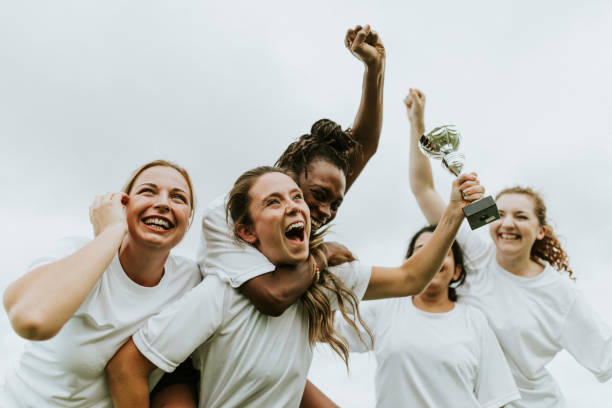
Sports Counselling Philadelphia, PA: Mental Training Programs for Youth Athletes

Youth athletes often face unique challenges as they strive to balance the demands of their sport with academics, social life, and personal growth. Mental training programs specifically designed for young athletes can address these challenges while fostering mental resilience and improving overall performance. These programs emphasize the psychological aspects of sports, helping young athletes build the mental skills necessary to thrive both on and off the field.

Key Components of Mental Training Programs

  • Goal Setting: Teaching athletes how to set realistic, measurable, and motivating goals helps them stay focused and track progress over time.
  • Visualization: Guided imagery techniques allow athletes to mentally rehearse scenarios, improve confidence, and reduce anxiety before competitions.
  • Stress Management: Strategies such as mindfulness exercises or controlled breathing techniques help athletes remain calm under pressure.
  • Self-Talk Development: Encouraging positive self-talk can help youth reframe negative thoughts and maintain a constructive outlook during challenges.
  • Focus Enhancement: Improving concentration skills enables athletes to stay present during games or practice sessions despite distractions.
  • Resilience Building: Helping young players develop a growth mindset fosters perseverance in overcoming setbacks.

Benefits of Tailored Mental Training

Benefit Description
Improved Focus Athletes learn how to eliminate distractions and maintain sharp attention.
Reduced Performance Anxiety Proven techniques help manage nervousness before or during competitions.
Enhanced Decision-Making Players gain confidence in making quick strategic decisions under pressure.
Increased Self-Awareness Young athletes understand their strengths, weaknesses, and triggers better.

Strategies for Implementation

  1. Assessment: Start by assessing the athlete’s current mental strengths and areas needing improvement through surveys or interviews.
  2. Custom Program Design: Create a program that addresses individual goals while aligning with the sports context (e.g., team sports vs. solo activities).
  3. Incorporate Technology: Utilize apps designed for mindfulness or self-regulation to make engaging with these skills easier.
  4. Ongoing Monitoring: Track progress over time using performance metrics alongside feedback from coaches or parents.

Why Early Intervention Matters

Mental skills acquired at a young age often become lifelong tools that support both sports participation and broader personal development. By fostering confidence, focus, resilience, and stress management early on through tailored programs, youth athletes are better prepared not only for competitions but also for challenges beyond athletics.

Tailored mental training empowers young players by equipping them with tools to succeed while maintaining psychological well-being—key ingredients for long-term success in sportsmanship and life alike.

How a Sports Psychologist Philadelphia, PA Can Help Young Athletes Overcome Perfectionism and Fear of Failure

Perfectionism and fear of failure are common challenges young athletes face, often hindering their performance and emotional well-being. Sports psychologists play a crucial role in helping athletes manage these mental blocks, enabling them to thrive both on and off the field. Below, we explore how professionals in this field address these issues using evidence-based approaches.

Exploring Performance Psychology in Philadelphia, PA for Youth Athletes

Perfectionism manifests as an unrelenting need to meet impossible standards, which can lead to:
– Chronic stress and anxiety
– Burnout from excessive pressure
– Fear of making mistakes or taking risks

Sports psychologists help young athletes recognize unhealthy perfectionist tendencies while fostering a growth-oriented mindset.

Strategies Used by Sports Psychologists to Address Perfectionism:

  1. Teaching athletes to set realistic goals instead of striving for flawlessness.
  2. Encouraging self-compassion when mistakes occur.
  3. Shifting the focus from failure to improvement through constructive feedback.
  4. Helping athletes understand that errors are part of the growth process.
  5. Encouraging a holistic identity beyond sports performance to reduce overidentification with success or failure in athletics alone.
Common Symptoms of Perfectionism Techniques for Management
Fear of disappointing coaches or parents Practice self-affirmation exercises
Avoiding challenging situations Engage in graded exposure to competitive scenarios
Overanalyzing every mistake Use mindfulness techniques for present-moment focus

Overcoming the Fear of Failure with Sport Performance Training in Philadelphia, PA

Fear of failure often arises from:
– External pressure from parents, coaches, or peers.
– Internalized beliefs linking self-worth with athletic performance.

Unchecked, this fear can lead to avoidance behaviors, reduced enjoyment in sports, and diminished confidence over time.

Techniques Employed by Sports Psychologists:

  1. Challenging irrational beliefs such as “failure means I’m not good enough.”
  2. Replacing these thoughts with positive affirmations like “mistakes help me improve.”
  3. Gradually exposing young athletes to potentially intimidating scenarios (e.g., high-pressure games) in controlled settings until they build resilience.
  4. Creating rituals that emphasize effort rather than outcomes helps reduce fixation on results.
  5. Goal-Setting Frameworks
    Breaking down long-term objectives into smaller, manageable steps minimizes overwhelming feelings often tied to fear-based thinking.

Long-Term Benefits of Working with a Sports Mental Coach in Philadelphia, PA

Addressing perfectionism and fear of failure early provides several advantages:
– Improved ability to cope with pressure during competitions. – Enhanced mental clarity and focus during training sessions and matches. – Greater enjoyment and sustained engagement in sports activities due to reduced psychological burden.

The expertise of sports psychologists equips youth athletes with tools essential not only for athletic success but also for personal growth throughout their lives. Recognizing the value professionals like https://www.mindbalancesport.com/counseling-philadelphia-pa offer can be pivotal when nurturing resilient, confident young athletes poised for excellence both on and off the playing field.

Sports Psychiatry in Philadelphia, PA: Boosting Pre-Game Mental Preparation for Young Athletes

Pre-game mental preparation is a critical component of athletic success, particularly for young athletes. It helps them focus, manage nerves, and perform at their best when it matters most. Sports psychologists develop tailored strategies to ensure athletes are mentally ready to compete. Below are several key approaches that can be implemented to enhance pre-game preparation.

The Role of Visualization

Visualization is a technique where athletes mentally rehearse their performance before stepping onto the field or court. This method helps them build confidence and prepare for various scenarios they may encounter during competition.

Benefits of visualization: – Reduces anxiety by creating familiarity with the competition setting. – Boosts confidence by reinforcing successful outcomes. – Helps athletes stay focused on specific goals during the game.

Steps for effective visualization: 1. Find a quiet space free from distractions. 2. Close your eyes and imagine executing key plays or movements with precision. 3. Visualize overcoming potential challenges calmly and skillfully. 4. Repeat daily leading up to the event to strengthen neural pathways associated with these scenarios.

Breathing Techniques to Regulate Nerves

Breathing exercises are highly effective in calming pre-game jitters and maintaining composure under pressure. Controlled breathing helps regulate heart rate and reduces the physical symptoms of anxiety.

Recommended breathing techniques: – Box Breathing: Inhale for 4 seconds, hold for 4 seconds, exhale for 4 seconds, and pause for 4 seconds before repeating. – Diaphragmatic Breathing: Focus on deep belly breaths rather than shallow chest breathing.

Practicing these techniques regularly can make them intuitive during high-pressure moments.

Positive Self-Talk

The way athletes speak to themselves directly impacts their performance. Negative self-talk can lead to doubt and hesitation, while positive affirmations encourage confidence and resilience.

Examples of positive self-talk: – “I am well-prepared and capable.” – “I trust my skills under pressure.” – “Mistakes are opportunities to learn.”

Sports psychologists often work with young athletes on rephrasing unhelpful inner dialogue into constructive statements that promote focus and self-belief.

Establishing a Pre-Game Routine

A structured pre-game routine provides consistency, helping young athletes feel grounded before competition begins. A well-crafted routine incorporates both physical preparation (e.g., warm-ups) and mental readiness practices.

Example Pre-Game Routine: | Time Before Game | Activity | |——————|——————————–| | 60 mins | Team strategy review | | 45 mins | Light stretching/warm-up | | 30 mins | Visualization exercises | | 15 mins | Positive self-talk/mantras |

By following this routine consistently, athletes develop a sense of control over their preparation process, reducing feelings of unpredictability or overwhelm.

Managing Expectations

For many youth athletes, pressure from coaches, parents, or themselves can create performance anxiety. Sports psychologists emphasize focusing on effort rather than outcomes as a way to reduce stress related to external expectations.

Key strategies include: – Setting realistic goals based on current skill levels. – Encouraging reflection on personal improvements instead of solely fixating on winning or losing.

This approach fosters intrinsic motivation while nurturing long-term enjoyment in sports participation.

By incorporating these mental preparation strategies into their pre-game routines, young athletes can approach competitions with clarity and confidence—ultimately enhancing not only their performance but also their overall athletic experience.

Mastering Sports and Performance Psychology in Philadelphia, PA for Young Athletes

Pre-game mental preparation is a critical component of athletic success, especially for young athletes. By focusing on strategies to manage stress, enhance focus, and build confidence, young athletes can perform at their best. Below are effective techniques for pre-game mental preparation that can help youth athletes optimize their performance.

Visualization Techniques

Visualization is one of the most powerful tools in pre-game preparation. It involves mentally rehearsing success and creating vivid images of positive outcomes.

  • Find a quiet space to relax before the game.
  • Close your eyes and imagine yourself performing key moves or plays effortlessly.
  • Picture the crowd’s cheers, your teammates’ support, and your own victorious moments.
  • Builds confidence by cultivating belief in one’s abilities.
  • Reduces anxiety by familiarizing the mind with successful scenarios.
  • Enhances muscle memory through mental rehearsal.

Breathing Exercises for Stress Management

Controlled breathing helps regulate emotions and reduces nervous tension.

  • Example: Box Breathing Technique | Step | Duration (Seconds) | |———————–|———————| | Inhale deeply | 4 | | Hold your breath | 4 | | Exhale slowly | 4 | | Pause before inhaling | 4 |
  • Repeat this cycle for two to three minutes before warm-up routines.

This technique calms the nervous system and ensures an athlete approaches their performance with clarity and focus.

Positive Self-Talk

The way athletes talk to themselves greatly impacts their mindset going into a game. Positive self-talk helps replace doubt with self-belief.

  • Encourage young athletes to use phrases like:
    • “I am prepared.”
    • “I trust my training.”
    • “I am ready to give my best effort.”
  • Remind them to avoid negative self-statements such as “What if I mess up?” or “I’m not good enough.”

Writing down affirmations in advance can also serve as a helpful reminder on game day.

Goal Setting Before Performance

Setting realistic goals provides focus and direction for young athletes during competition.

  1. Process Goals: Focus on actions within their control (e.g., “Stay alert during defense”).
  2. Outcome Goals: Define desired results (e.g., “Score two goals today”).
  3. Short-Term Goals: Break larger objectives into manageable tasks (e.g., “Focus on passing accuracy in the first half”).

By creating clear goals, athletes concentrate better on execution rather than external pressures.

The Role of Routine

  • Warm-up exercises aligned with personal preferences.
  • Listening to motivational music or engaging in light stretching.
  • Reviewing key strategies or plays discussed by coaches.

A structured routine primes both body and mind for optimal performance while decreasing last-minute jitters.

Pre-game mental preparation equips youth athletes with tools to approach competition calmly, confidently, and with clear focus. By integrating these strategies into regular practice sessions, they will develop habits that contribute not only to peak athletic performance but also long-term mental resilience as they grow both on and off the field.

Exploring Performance and Sports Psychology in Philadelphia, PA: A Guide for Athletes and Parents

Sports psychology programs are designed to support athletes in reaching their full potential, both mentally and physically. These programs often extend their benefits to parents, helping them understand how to foster their child’s mental well-being and performance in sports. Below is a detailed guide outlining the core components of these programs and how they benefit athletes and their families.

Key Elements of Sports Performance Coaching in Philadelphia, PA

  • Mental Skills Training: Teaching foundational skills like focus, goal-setting, imagery, and positive self-talk.
  • Stress and Anxiety Management: Equipping athletes with techniques to manage competitive pressure.
  • Building Resilience: Helping athletes overcome setbacks through mental toughness training.
  • Parental Guidance: Offering education to parents on providing support without compromising the athlete’s autonomy or confidence.

Enhancing Sports Performance Psychology in Philadelphia, PA for Athletes

  1. Learn how to remain calm during high-stakes moments.
  2. Develop routines that foster consistency in competitions.
  3. Set realistic yet challenging goals that lead to personal growth.
  4. Gain a stronger belief in one’s abilities through positive reinforcement.
  5. Techniques like mindfulness can help minimize distractions during games or practices.
  6. “Mental resets” can assist when energy or focus wanes.
  7. Address fears of failure or self-doubt with personalized interventions.
  8. Replace negative thought patterns with constructive ones.

How a Sports Mental Therapist in Philadelphia, PA Can Support Parents

Benefits for Parents Description
Understand Athlete Needs Learn about the psychological demands faced by young athletes in competition.
Supportive Communication Skills Discover ways to encourage rather than pressure through effective communication strategies.
Reduce Parental Anxiety Gain tools to manage your own stress related to your child’s performance outcomes.

Program Formats Offered by a Sports Psychologist Near Me

  • Individual Coaching Sessions: One-on-one meetings focused on personal challenges.
  • Workshops for Teams: Group sessions designed for building collective resilience and motivation.
  • Online Courses: Flexible learning options covering key psychological principles for sport.
  • Parent-Athlete Joint Sessions: Interactive discussions fostering mutual understanding between parents and their children.

Finding the Right Program

  • The expertise and qualifications of the sports psychologist involved.
  • Customizability of the program based on individual athlete needs.
  • Availability of resources or sessions specifically tailored for parents.
  • Flexibility in scheduling (e.g., virtual vs. in-person options).

By carefully evaluating these factors, families can choose a program that aligns best with their goals while ensuring effective support for both the athlete’s mental development and parental involvement.


Continue ReadingSports Counselling Philadelphia, PA: Mental Training Programs for Youth Athletes

Understanding Performance Psychology in Philadelphia, PA: How It Supports Athlete Success

Basketball, strategy and team with a sports coach talking to a team while planning tactics on a clipboard and hands. Teamwork, fitness and exercise with a player and teammates listening at training Basketball, sport and team with a sports coach talking to his team while planning tactics on a clipboard from above. Teamwork, fitness and exercise with a player and teammates listening at training Sports stock pictures, royalty-free photos & images

A sports psychologist plays a significant role in bridging the gap between physical performance and mental strength. Their expertise is centered around enhancing an athlete’s mental well-being, resilience, and focus to optimize performance both on and off the field. In today’s competitive sports world, mental conditioning is as critical as physical training. Below is an exploration of their role and the ways they support athletes.

Key Responsibilities of a Sports Psychologist

  • Performance Enhancement: Helping athletes shift their mindset, build concentration, and develop strategies to perform under pressure.
  • Stress Management: Teaching techniques such as deep breathing, visualization, or mindfulness to deal with pre-game nerves or performance anxiety.
  • Goal Setting: Assisting athletes in setting realistic yet ambitious goals that align with their overall career path.
  • Injury Rehabilitation Support: Guiding athletes through the psychological struggles that often accompany physical recovery from injuries.
  • Team Dynamics: Working with teams to foster trust, effective communication, and collaboration among players.

How They Make an Impact

  1. Building Resilience
    Athletes often face setbacks like losses or injuries. A sports psychologist helps them reframe these experiences positively, encouraging growth instead of frustration.
  2. Enhancing Focus Under Pressure
    By introducing techniques such as visualization or mindfulness exercises, psychologists help athletes maintain composure during high-stakes situations.
  3. Improving Communication with Coaches
    Strong relationships between coaches and players are essential for success. Sports psychologists mediate conflicts or assist in bridging communication gaps when required.
  4. Supporting Transition Periods
    Whether it’s moving from amateur to professional levels or retiring from competitive sports altogether, these experts prepare individuals for essential transitions in their careers.

Effective Techniques Used by a Sports Mental Coach in Philadelphia, PA

Technique Purpose Example
Visualization Improving focus and confidence by mentally rehearsing plays or outcomes Visualizing scoring a goal in soccer during practice sessions
Cognitive Behavioral Therapy (CBT) Identifying negative thought patterns and replacing them with constructive thinking Reframing “I will fail” into “I am prepared for this challenge”
Relaxation Techniques Reducing stress levels before key events Practicing deep-breathing exercises before competitions
Self-talk Strategies Encouraging positive internal dialogue Telling oneself “I’ve trained hard; I’m ready” before stepping on the field

Benefits of Working With a Sports Psychologist

  • Enhanced motivation and perseverance
  • Improved adaptability in changing game conditions
  • A stronger sense of self-worth even after defeats
  • Better management of external pressures from fans, media, or sponsors

Sports psychologists are not solely focused on athletic success but aim to nurture well-rounded individuals who can handle all aspects of life associated with being an athlete—both challenges and triumphs alike.

Enhancing Athlete Development with a Sports Psychologist in Philadelphia, PA

Athlete development requires more than just physical conditioning and skill-building. Mental training and support play a pivotal role in shaping not just performance but also the long-term well-being of athletes. Sports psychologists work with athletes to enhance their mental strength, improve focus, and manage pressures that come with competitive sports. Below, we explore some key aspects of athlete development through mental training.

Maximize Your Potential with Sport Performance Training in Philadelphia, PA

  • Enhanced focus and concentration: Techniques such as mindfulness or visualization can improve an athlete’s ability to stay present during high-pressure situations.
  • Better stress management: Managing anxiety and nerves is critical for performance, particularly in competitive events.
  • Resilience building: Developing the ability to bounce back from setbacks ensures sustained growth over time.
  • Improved goal setting: Clear mental frameworks allow athletes to set realistic, measurable goals for their personal and professional growth.

Common Techniques Used by Sports Psychologists

Technique Description
Visualization Athletes mentally rehearse scenarios to prepare for competition challenges.
Mindfulness Training Focuses on helping athletes stay present and reduce performance anxiety.
Cognitive Restructuring Helps replace negative thought patterns with constructive, positive ones.
Goal Setting Structured approaches to short-term and long-term achievement planning.

These tools are implemented not only during training sessions but also applied in real-time during competitions.

Exploring Sports Psychiatry in Philadelphia, PA for Mental Support

  1. High-stakes events often bring significant psychological pressure.
  2. Psychologists teach coping mechanisms to reduce the physical effects of anxiety (e.g., rapid heartbeat or muscle tension).
  3. Long seasons and repetitive routines can lead to exhaustion.
  4. Strategies such as time management and self-care can mitigate burnout risks.
  5. Confidence is critical for consistent performance.
  6. Positive affirmations and past successes are used as reminders when doubt arises.
  7. Retirement or changes in teams can create uncertainty.
  8. Psychologists provide tools for navigating these life transitions effectively.

Enhancing Long-Term Athlete Development Through Sports And Performance Psychology in Philadelphia, PA

  • Early stages focus on fostering love for sport through enjoyment.
  • Intermediate stages aim at refining skills while managing pressure effectively.
  • Advanced stages integrate peak psychological preparation for elite-level competition.

This alignment ensures mental training evolves along with athletic progression.

Prioritizing mental training alongside physical preparation allows both aspiring and professional athletes to unlock their full potential while maintaining a healthy relationship with sport over the long term. Whether it’s overcoming obstacles or developing a champion mindset, sports psychology plays an integral role in athlete development at every level of their journey.

Maximizing Coach and Official Growth Through Performance and Sports Psychology in Philadelphia, PA

Coaches and sports officials play a pivotal role in the athletic ecosystem. Their decisions, behaviors, and mental resilience directly influence the performance of athletes and the overall atmosphere of competition. Sports psychology offers critical insights to empower coaches and officials, enabling them to enhance their leadership abilities, communication skills, and decision-making processes under pressure.

The Psychological Challenges Faced by Coaches and Officials

  • High-Stress Environments: Managing expectations from athletes, fans, teams, or organizations.
  • Decision-Making Under Pressure: Making split-second decisions while maintaining fairness and composure.
  • Communication Barriers: Ensuring effective communication with athletes across diverse personalities or emotional states.
  • Conflict Resolution: Handling disputes with players or among team members in a professional manner.

Addressing these challenges is essential for fostering an environment of growth and high performance.

Key Areas Where Sports Psychology Supports Coaches and Officials

  1. Developing mindfulness techniques to stay calm under pressure.
  2. Practicing responses to high-stress situations through scenario-based training.
  3. Teaching active listening techniques to ensure clarity in discussions with athletes or other stakeholders.
  4. Encouraging non-verbal communication practices that build trust and rapport.
  5. Applying cognitive-behavioral strategies to reduce impulsive reactions.
  6. Leveraging visualization techniques for pre-event preparation to anticipate tough choices.
  7. Learning how to inspire confidence within a team while managing individual athlete needs.
  8. Balancing empathy with authority to maintain respect within the group dynamic.

The Role of Mental Skills Training for Coaches and Officials

Mental Skill Application Example
Self-Talk Reframing negative thoughts into constructive actions
Stress Management Using breathing exercises during heated situations
Focus Training Maintaining concentration amidst external distractions
Goal Setting Establishing clear objectives for team progress

Integrating these mental tools helps coaches guide their teams effectively while ensuring personal well-being.

Benefits of Integrating Sports Psychology into Coaching Practices

  • Enhanced self-awareness leading to better decision-making outcomes.
  • Stronger relationships with athletes built on mutual respect.
  • Reduced burnout through improved stress management techniques.
  • Greater consistency in maintaining impartiality during high-pressure moments.

By understanding the psychological principles behind behavior, they foster environments where both personal growth and competitive success thrive.

Girls soccer players celebrating victory Smiling football players hugging on field after scoring a goal. Cheerful soccer teammates embracing while players clapping hands on victory. Successful girl soccer players embracing on field and celebrating after winning the match. Sports stock pictures, royalty-free photos & images

How Sports Performance Coaching in Philadelphia, PA Shapes the Work of a Sports Psychologist

Sport participation research plays a critical role in shaping the methods, strategies, and goals of sports psychologists. By analyzing trends and patterns in athlete participation, this research provides valuable insights into behavioral, psychological, and physiological factors that influence performance and well-being. Below is an exploration of how such research informs the work of sports psychologists.

Understanding Participation Trends

Sport participation research helps sports psychologists understand why individuals engage in sports and what barriers they face. This knowledge shapes interventions designed to enhance participation rates and maintain long-term involvement in physical activities.

Key areas of focus include: – Demographic Trends: Research into age, gender, socioeconomic status, and ethnicity provides insight into which groups are more likely to participate and why. – Motivational Factors: Studies reveal intrinsic (e.g., enjoyment) and extrinsic (e.g., awards) motivators driving participation across different sports. – Barriers to Entry: Identifying challenges such as accessibility, financial constraints, or lack of confidence allows psychologists to develop targeted strategies for overcoming these hurdles.

Designing Tailored Interventions

Participation data enables sports psychologists to create customized mental training programs. For instance: – Athletes engaging in high-intensity competitions may benefit from stress management techniques or visualization exercises. – Recreational participants might need guidance on maintaining motivation or balancing life responsibilities with physical activity. – Youth athletes often require programs that address early burnout risks while fostering enjoyment.

These tailored interventions ensure individuals’ emotional needs are met while supporting their long-term development.

Promoting Mental Health Through Participation

Research shows that consistent involvement in physical activity contributes positively to mental health by reducing stress levels, improving mood through endorphin release, and fostering social connections. Sports psychologists use these findings to advocate for increased participation as part of holistic health approaches.

To promote mental well-being: – Group sports are encouraged due to their social bonding benefits. – Individual participants may be coached to set personal goals that boost self-esteem.

By connecting sport engagement with mental resilience-building practices, psychologists help individuals derive greater value from their sporting experiences.

Identifying Risk Factors Through Participation Studies

Participation research highlights risks such as overtraining syndrome or pressure-induced stress often faced by competitive athletes. Sports psychologists leverage this data to: – Educate coaches on reducing excessive demands. – Encourage balanced training routines. – Provide emotional support during recovery periods by addressing feelings of guilt or loss associated with injury breaks.

Risk Factor Impact Psychological Strategy
Overtraining Syndrome Fatigue; decreased motivation Teach athletes relaxation techniques
Competitive Stress Anxiety; performance decline Implement mindfulness-based interventions
Early Burnout Withdrawal from sport Promote intrinsic motivation

Informing Policy Development

Findings from sport participation studies often guide policy changes at both organizational and governmental levels. For example: – Organizations might establish inclusive programs targeting underserved populations based on demographic insights. – National campaigns could prioritize youth sports engagement following alarming declines revealed by longitudinal studies.

This collaboration ensures that policies align with evidence-based practices while improving access to psychological resources for athletes across all levels.

By integrating sport participation research into their work, sports psychologists continue enhancing individual experiences within athletic contexts while advocating for increased opportunities across diverse communities.

Exploring Sports Counselling in Philadelphia, PA: Building Inclusion and Mental Resilience in Athletics

In modern sports psychology, inclusion and mental resilience play a pivotal role in shaping athletes, teams, and sports communities. By fostering an environment that values diversity and addressing the psychological challenges of high-pressure sports environments, sports psychologists help athletes perform at their best while building a healthier, more inclusive culture in athletics.

Exploring Sports Performance Psychology in Philadelphia, PA

Inclusion involves creating an environment where individuals from all backgrounds—regardless of race, gender, ability level, or socioeconomic status—feel valued, supported, and empowered to thrive. In the context of sports psychology, inclusion extends beyond mere representation. It is about ensuring equity in opportunities for participation, development, and growth.

Key aspects of fostering inclusion include:
– Breaking Biases: Addressing unconscious biases that may affect team selection or treatment of athletes.
– Promoting Accessibility: Designing programs that accommodate athletes with disabilities or those from underprivileged backgrounds.
– Encouraging Representation: Supporting diverse leadership within coaching staff and team management to inspire inclusivity at every level.
– Facilitating Open Communication: Encouraging candid conversations about diversity and inclusion among coaches, officials, players, and support staff.

Building Mental Resilience with a Sports Mental Therapist in Philadelphia, PA

Mental resilience refers to an athlete’s ability to cope with stressors such as setbacks, failure, or intense competition. Resilient athletes are better equipped to handle adversity while maintaining performance standards under pressure.

Components of building mental resilience include: – Emotional Regulation: Helping athletes manage emotions like anxiety or frustration during critical moments. – Stress Management Techniques: Implementing mindfulness practices such as meditation or breathing exercises to reduce stress levels. – Growth Mindset Development: Encouraging athletes to view challenges as opportunities for learning rather than obstacles. – Goal Setting: Teaching realistic goal-setting strategies to improve focus and motivation over time.

Finding a Sports Psychologist Near Me to Build Resilience and Inclusion

The intersection of inclusion and mental resilience is crucial for holistic athlete development. When athletes feel included within their teams or organizations: 1. They are more likely to experience a sense of belonging.
2. Their confidence improves through recognition of their unique strengths. 3. They face lower levels of psychological stress related to marginalization or exclusion. 4. They develop stronger interpersonal relationships with teammates from diverse backgrounds.

Inclusion Strategy Impact on Mental Resilience
Providing equitable support Reduces anxiety by ensuring fair access to resources
Valuing diverse voices Improves self-esteem through acknowledgment
Encouraging cultural exchange Builds adaptability when working collaboratively
Addressing discrimination Lowers emotional burnout caused by feelings of isolation

Challenges Sports Psychologists Face

While promoting inclusion and mental resilience is critical, sports psychologists often confront challenges such as: – Resistance from traditional systems that prioritize performance over well-being. – Lack of awareness among stakeholders about the importance of diversity initiatives. – Limited resources for implementing inclusive programs across large organizations.

By addressing these barriers through education and advocacy efforts within the sporting community, sports psychologists can drive transformative change that benefits both individual athletes and broader team dynamics in competitive spaces.


Continue ReadingUnderstanding Performance Psychology in Philadelphia, PA: How It Supports Athlete Success

Unlock Your Potential with Sport Performance Training in Philadelphia, PA

Rugby team celebrating the victory Rugby players lifting the teammate after winning the game. Rugby team celebrating the victory. Sports stock pictures, royalty-free photos & images

Sports psychology has grown into an essential discipline for athletes striving to achieve peak performance. This field focuses on optimizing mental strategies, emotional resilience, and cognitive skills to complement physical training. By employing cutting-edge techniques, sports psychologists help athletes unlock their full potential and maintain consistency in high-pressure scenarios.

The Core Benefits of Sports Psychology for Athletes

  • Improved focus and concentration during competition.
  • Enhanced self-confidence to overcome challenges.
  • Effective stress management and anxiety reduction.
  • Strengthened ability to bounce back from setbacks or failures.
  • Sharpened decision-making under pressure.

These benefits enable athletes to perform not only at their physical best but also with mental clarity and emotional balance.

Key Cutting-Edge Techniques in Sports Psychology

  1. Athletes use guided visualization exercises to mentally rehearse their performance, improving confidence and muscle memory.
  2. For example, a basketball player might visualize sinking free throws repeatedly before stepping onto the court.
  3. Focused breathing techniques and mindfulness exercises help athletes stay present in the moment, reducing distractions.
  4. Studies show that mindfulness training can improve reaction times and decrease pre-game anxiety.
  5. This technique involves identifying negative thought patterns that may hinder performance and replacing them with constructive ones.
  6. Example: Transforming “I always fail under pressure” into “I have prepared well; I trust my abilities.”
  7. Through monitoring physiological signals like heart rate or muscle tension, biofeedback helps athletes regulate stress responses more effectively during high-stakes moments.
  8. Setting Specific, Measurable, Achievable, Relevant, and Time-bound goals ensures clear targets for improvement while fostering long-term motivation.
Technique Primary Benefit
Visualization Builds confidence; enhances motor learning
Mindfulness Reduces distractions; improves focus
Cognitive Restructuring Boosts self-belief; combats negative thinking
Biofeedback Optimizes stress regulation; enhances composure
SMART Goal Setting Provides clarity; creates structured progress plans

Real-Life Applications of Advanced Techniques

  • Olympic gymnasts frequently rely on visualization exercises before routines to maintain precision under pressure.
  • Professional soccer players use mindfulness sessions as part of pre-match rituals to boost concentration and composure on the field.
  • Tennis players have embraced biofeedback tools during training sessions to regulate emotions effectively during intense matches.

Combining Mental Training With Physical Preparation

Peak athletic performance is achieved when mental readiness aligns seamlessly with physical capabilities. Working closely with coaches, sports psychologists create personalized strategies tailored to each athlete’s needs—ensuring that both mind and body are primed for success on game day.

By leveraging innovative sports psychology techniques alongside rigorous physical preparation, today’s athletes are equipped not only to excel but also sustain excellence over time.

How a Sports Psychologist in Philadelphia, PA Builds Mental Resilience for Athletes

Building mental resilience is a critical component of an athlete’s overall performance, and sports psychologists play an invaluable role in this process. Mental resilience ensures that athletes can handle pressure, stay focused, and recover from setbacks effectively. By working closely with athletes, sports psychologists develop tailored strategies to foster psychological strength and sustain peak performance over time.

Building Mental Resilience with a Sports Mental Coach in Philadelphia, PA

Mental resilience refers to an athlete’s ability to adapt to challenges, maintain emotional balance under stress, and persevere through setbacks or failures. It involves strengthening the mind to respond positively to adversity rather than succumbing to frustration or defeat.

Key attributes of mental resilience include: – Emotional regulation: Managing emotions during high-pressure situations. – Focus under pressure: Maintaining sharp concentration regardless of external distractions. – Adaptability: Adjusting quickly to unexpected changes in competition or training. – Perseverance: Embracing challenges as opportunities for growth rather than roadblocks.

Effective Strategies in Sports Psychiatry in Philadelphia, PA

  1. Helps athletes reframe negative thought patterns into positive beliefs.
  2. Reduces self-doubt by focusing on controllable aspects of performance.
  3. Incorporating deep breathing exercises or mindfulness meditation.
  4. Teaching visualization techniques for calming pre-competition nerves.
  5. Creating short-term, achievable goals alongside long-term aspirations.
  6. Encouraging focus on progression rather than perfection.
  7. Guiding athletes through mental rehearsals of successful performances.
  8. Preparing them for high-pressure moments by enhancing confidence.
  9. Replacing negative inner dialogue (“I might fail”) with constructive affirmations (“I am prepared”).
  10. Boosting self-confidence with positive reinforcement.

Exploring the Benefits of Sports and Performance Psychology in Philadelphia, PA

Benefit Description
Improved Focus The ability to block out distractions allows athletes to perform at their best under any condition.
Faster Recovery from Setbacks Mentally resilient athletes bounce back quicker after losses or injuries without losing motivation.
Enhanced Decision-Making Staying calm under pressure leads to better choices during critical moments in competition.
Increased Confidence A resilient mindset fosters belief in one’s ability despite challenges or obstacles.

Exploring Performance and Sports Psychology in Philadelphia, PA

  • Professional Athletes: Helping elite competitors manage the intense pressure associated with global events like the Olympics or World Cup tournaments.
  • Youth Athletes: Assisting young players in developing foundational mental skills crucial for long-term athletic growth.
  • Rehabilitation Settings: Guiding injured athletes through the emotional challenges that arise during recovery periods.

By integrating these tailored approaches, sports psychologists ensure that athletes remain mentally equipped to face the demands of their sport while building a mindset geared towards sustained success over time.

Enhancing Mental Resilience Through Sports Performance Coaching in Philadelphia, PA

Mental resilience is a cornerstone of athletic success, empowering athletes to maintain focus, overcome challenges, and perform under pressure. Sports psychologists play a crucial role in developing this resilience through tailored strategies and interventions. By addressing the psychological demands of competition, training, and personal growth, these professionals enable athletes to enhance their mental toughness and thrive in high-pressure environments.

What Is Mental Resilience?

  • Recovering quickly from setbacks or poor performances.
  • Maintaining focus during high-stakes events.
  • Handling the pressures of competition and public scrutiny.
  • Staying motivated during rigorous training regimes or long recovery periods from injury.

Cultivating mental resilience is essential for both peak performance and long-term well-being.

How Sports Psychologists Build Mental Resilience

  1. Identifying negative thought patterns that hinder performance.
  2. Replacing self-doubt with constructive self-talk.
  3. Practicing reframing techniques to view setbacks as learning opportunities.
  4. Encouraging present-moment awareness to reduce anxiety.
  5. Teaching mindful breathing exercises for focus and calmness under pressure.
  6. Guiding athletes through mental rehearsals of optimal performances.
  7. Using imagery to build confidence by “seeing” success before it happens.
  8. Establishing short-term goals that build toward long-term objectives.
  9. Breaking down overwhelming tasks into manageable steps.
  10. Developing personalized relaxation routines such as progressive muscle relaxation or meditation practices.
  11. Teaching coping mechanisms to handle external pressures from fans, coaches, or media.

Key Benefits of Mental Resilience in Sports

Benefits Description
Improved Focus Athletes learn to stay in the moment despite distractions or high-pressure situations.
Enhanced Confidence Positive self-talk and visualization reduce self-doubt while boosting performance belief.
Faster Recovery Mentally resilient individuals recover more efficiently from failures or injuries.
Better Stress Management Strategies address pre-performance anxiety, ensuring calmness during critical moments.

Real-World Applications of Mental Resilience Training

  • In team sports: Helping players manage interpersonal dynamics within teams while staying mentally strong during playoffs or championships.
  • In individual sports: Supporting solo athletes like tennis players or track runners who face unique mental pressures due to their reliance on self-performance.
  • In injury rehabilitation: Assisting injured athletes in maintaining motivation during recovery while addressing fears about returning to play.

For example: – A basketball player struggling with missed free throws may benefit from CBT techniques paired with mindfulness exercises to reduce overthinking during critical moments at the line. – An Olympic sprinter preparing for a major race might use visualization sessions combined with breathing exercises to stay calm yet focused amid the event’s intensity.

Sports psychologists profoundly influence an athlete’s ability not just to compete but also thrive amidst challenges. By fostering skills like emotional regulation, adaptability, and focus under pressure, they provide tools that extend beyond sports into every area of an athlete’s life—both on and off the field.

Runner Breaking Finish Line Tape Runner Breaking Finish Line Tape Sports stock pictures, royalty-free photos & images

Enhance Your Game with Sports Performance Psychology in Philadelphia, PA

Psychomotor training is a cornerstone of modern sports psychology, designed to enhance the critical connection between an athlete’s mind and body. By refining motor skills and improving cognitive processes, this approach helps athletes achieve peak performance under pressure. Below are key techniques within psychomotor training that strengthen the mind-body connection.

Components of Psychomotor Training

Psychomotor training integrates mental and physical exercises to improve:
– Reaction time: Reducing the delay between stimulus recognition and physical response.
– Coordination: Synchronizing body movements with mental intent.
– Focus and attention control: Maintaining awareness during high-pressure moments.
– Motor skill refinement: Enhancing precision in athletic movements through repetition and focus.

Core Techniques

  1. Athletes are guided to mentally rehearse specific actions or scenarios before physically performing them. This technique helps build neural pathways that improve execution during actual competition.
  2. Example activities:
    • Visualizing game-winning plays or match scenarios.
    • Mentally rehearsing recovery strategies after mistakes.
  3. Benefit: Strengthens muscle memory without physical exertion.
  4. Reaction Time Drills
    These drills aim to speed up decision-making under pressure by exposing athletes to rapid, unpredictable stimuli.
  5. Example exercises:
    • Using light boards (e.g., Batak machines) to train reflexes.
    • Partner drills where athletes respond instantly to verbal or visual cues.
  6. Benefit: Enhances split-second decision-making in dynamic sports environments.
  7. Breathing Techniques for Cognitive Control
    Controlled breathing regulates physiological arousal and maintains focus by calming the nervous system during high-stress situations.
  8. Popular techniques include diaphragmatic breathing and box breathing (inhaling, holding, exhaling, holding for equal counts).
  9. Benefit: Helps athletes stay composed when stakes are high.
  10. Balance and Stability Exercises
    Physical balance often mirrors mental stability, making balance-focused exercises essential for improving both areas simultaneously.
  11. Examples include:
    • Single-leg squats on unstable surfaces (e.g., BOSU balls).
    • Dynamic stretching combined with balance holds.
  12. Benefit: Improves proprioception (body awareness) while building confidence in movement.
  13. Mindfulness Training
    Mindfulness promotes present-moment awareness, reducing external distractions during competition.

    • Activities:
      • Guided meditation focusing on the five senses before practice sessions.
      • Body scans helping athletes recognize tension points that may hinder performance.
    • Benefit: Reduces overthinking while enhancing focus on immediate tasks.

Application of Psychomotor Training Across Sports

Sport Primary Focus Area Psychomotor Technique Applied Outcome
Basketball Quick decision-making & agility Reaction time drills Faster responses in defensive plays
Golf Precision & focus Visualization & mindfulness Improved accuracy during putting
Soccer Multi-tasking during movement Balance/stability exercises Better control when dribbling
Tennis Anticipation of opponent moves Reaction time drills & visualization Enhanced reflexes at net

Why It Matters

Strengthening the mind-body connection enhances not only physical execution but also psychological resilience in competitive contexts. When athletes train their minds alongside their bodies using these techniques, they become better equipped to handle stress, adapt quickly, and perform consistently at an elite level.

By incorporating psychomotor training into standard practices, coaches can provide their athletes with tools for both immediate gains on the field and long-term development as well-rounded competitors.

Optimizing Performance with a Sports Mental Therapist in Philadelphia, PA: Strategies for Success

Sports performance relies on more than just physical conditioning and skill development. Athletes must also ensure their mental well-being and nutritional health are fully optimized. The combination of sports nutrition and psychological strategies creates a powerful synergy that enhances both the body’s physical capabilities and the mind’s cognitive resilience. This approach helps athletes not only perform at peak levels but also maintain long-term health and balance.

The Role of Nutrition in Mental Performance

  • Omega-3 Fatty Acids: Found in foods like fish, walnuts, and flaxseeds, these fats improve cognitive function, reduce anxiety, and support emotional regulation.
  • B Vitamins: Essential for energy production in the brain, B vitamins (found in whole grains, eggs, leafy greens) are linked to better memory retention and reduced mental fatigue.
  • Magnesium: This mineral supports relaxation by managing stress responses; it can be sourced from nuts, seeds, dark chocolate, or spinach.
  • Hydration: Even mild dehydration can impair concentration; maintaining optimal fluid intake helps sustain mental clarity during intense physical exertion.

Athletes should work with both nutritionists and sports psychologists to create dietary plans that complement their mental training regimes.

Psychological Strategies That Link Nutrition to Performance

  1. Encouraging athletes to be aware of how they feel before eating (e.g., stress-related hunger versus actual physical need).
  2. Promoting slower eating to help regulate digestion while preventing overindulgence or nutrient imbalances pre-performance.
  3. Incorporating specific foods known to boost energy or calm nerves before competitions (e.g., bananas as a quick energy source or chamomile tea for pre-game relaxation).
  4. Using breathwork exercises during meals before major events to align body awareness with mindfulness techniques.
  5. Helping athletes tie performance goals directly back into their dietary choices (e.g., meal planning focused on recovery post-match).
  6. Educating them about how fueling certain hormone functions through food improves sleep patterns crucial for anxiety control during tournaments.

Table: Foods Supporting Physical Energy vs Cognitive Focus

Nutritional Need Example Foods Impact on Performance
Physical Energy Sweet potatoes, oats Sustained energy release for endurance
Cognitive Focus Blueberries Antioxidants improve memory & reaction time
Stress Relief Dark chocolate Magnesium calms nervous system

Collaborative Efforts Between Experts

Elite-level preparation often requires collaboration between sports psychologists, coaches, fitness trainers—and now increasingly—dieticians or nutritionists who specialize around athlete-specific needs linked mentally/physically . Through this teamwork , psychology complements biochemical reactions ensuring holistic solution tailored optimizing peak

Sports Counselling Philadelphia, PA: How Sports Psychologists and Coaches Build Winning Teams

A strong support team is essential for any athlete aiming to excel in their sport. At the heart of this team lies a collaborative relationship between sports psychologists and coaches. Together, they create an environment where athletes can achieve peak performance consistently. This partnership not only helps refine physical skills but also addresses mental and emotional aspects critical to success.

Finding the Right Sports Psychologist Near Me

Sports Psychologists: – Focus on mental health and psychological resilience. – Help athletes manage stress, pressure, and anxiety. – Develop cognitive strategies such as visualization, goal-setting, and concentration techniques. – Foster emotional well-being through interventions like mindfulness or relaxation training.

Coaches: – Provide technical training specific to the sport. – Design physical conditioning programs to improve strength, endurance, and skill. – Offer tactical strategies for competitions. – Motivate athletes to push their physical limits.

Despite their distinct roles, synergy between these two professionals is vital for a holistic approach to athlete development.

How Collaboration Enhances Athlete Performance

  1. Coaches rely on psychologists to prepare athletes mentally for high-pressure situations like championships or playoffs.
  2. Techniques such as pre-performance routines or reframing negative thoughts are introduced by sports psychologists but reinforced by coaches during practice sessions.
  3. Collaboration ensures that training programs align with the athlete’s psychological needs as well as their physical goals.
  4. For example, if an athlete struggles with focus, both professionals can integrate concentration drills into practice schedules.
  5. Differences in communication styles or expectations between coaches and athletes can lead to conflicts that hinder progress.
  6. Sports psychologists mediate these situations by improving communication dynamics within the team.
  7. While coaches might prioritize short-term performance goals, psychologists ensure that mental health remains a priority throughout an athlete’s career.
  8. This balance minimizes burnout risks while sustaining motivation over time.

Best Practices for Effective Collaboration

Best Practice Description
Open Communication Regular meetings foster understanding of shared objectives and progress.
Respect for Expertise Acknowledge each professional’s expertise without overstepping boundaries.
Athlete-Centered Approach Focus on what benefits the athlete most rather than individual agendas.
Continuous Education Stay updated on advancements in both coaching techniques and sports psychology research.

Examples of Successful Partnerships

Many success stories underscore the value of this collaboration: – Elite teams often have integrated support systems where psychologists work alongside coaching staff during practices and competitions. – High-profile athletes credit mental training facilitated by close teamwork between their psychologist and coach as pivotal in overcoming slumps or injuries.

By fostering mutual respect and maintaining clear communication channels, sports psychologists and coaches can transform how athletes approach both competition preparation and personal development—ultimately creating champions who excel not just physically but mentally too.

Cycling race Cycling race Sports stock pictures, royalty-free photos & images

Athlete Success Stories: How Mental Training Transformed Their Performance

Sports psychology has had a profound impact on the lives and careers of countless athletes. By focusing on mental training alongside physical conditioning, many athletes have been able to overcome challenges, improve performance, and achieve their goals. Below are several notable ways mental training has transformed athletic performance, coupled with real-world examples from the world of sports.

Overcoming Performance Anxiety

One of the most common issues faced by athletes is performance anxiety. The pressure to perform at a high level can often lead to stress, self-doubt, and diminished performance during competition. Sports psychology offers techniques such as visualization, deep breathing exercises, and cognitive restructuring to help athletes manage these situations effectively.

  • Example: Simone Biles, an Olympic gymnast, openly discussed how mental health struggles impacted her performances. By working closely with sports psychologists to address anxiety and focus on mindfulness techniques, she was able to regain control over her mindset and continue competing at an elite level.

Enhancing Focus and Concentration

Maintaining focus under pressure is crucial for peak performance. Distractions or lapses in concentration can cost athletes their competitive edge. Techniques such as goal-setting strategies, attentional control training, and mindfulness meditation are often used to address this.

  • Example: Michael Phelps famously credited his success in swimming not only to rigorous physical preparation but also extensive mental training. He used visualization exercises before every race to mentally rehearse his swim—anticipating different scenarios—which allowed him to stay laser-focused during competition.

Building Resilience After Failure

Every athlete faces setbacks at some point in their career—whether it’s a missed opportunity or a significant loss. Sports psychologists help athletes reframe failure as a learning experience rather than a personal defeat by employing tools like positive self-talk and resilience training.

  • Example: Serena Williams experienced multiple career setbacks but consistently bounced back stronger each time. Her use of sports psychology techniques helped her maintain resilience during tough matches while staying confident in her abilities despite external criticism.

Improving Team Dynamics

In team sports, interpersonal dynamics can significantly affect overall performance. Effective communication skills training and conflict resolution techniques are often introduced by sports psychologists to build trust within teams.

Key Areas of Focus for Teams Resulting Benefits
Communication Strategies Enhanced teamwork
Conflict Resolution Reduced tension
Shared Goal Setting Unified motivation
  • Example: The Chicago Bulls’ success during the Michael Jordan era was not just about individual talent but also effective teamwork cultivated through strong mental strategies introduced by their coaching staff alongside psychological support professionals.

Achieving Optimal Arousal Levels for Peak Performance

A key principle behind effective mental training is achieving the right balance between arousal levels (physical energy) and mental calmness before competition—an idea rooted in the Yerkes-Dodson Law. Athletes engage in arousal regulation practices like progressive muscle relaxation or energy-boosting routines depending on their unique needs.

  • Example: Novak Djokovic has spoken about using breathing techniques combined with visualization exercises before tennis matches to manage arousal levels optimally. This strategy enables him to stay composed under intense match conditions while maintaining high energy levels throughout long games.

Mental training has proven essential for addressing diverse challenges faced by modern athletes—from managing anxiety to fostering team cohesion—and continues to shape how individuals achieve greatness both on and off the field.

Exploring Performance Psychology in Philadelphia, PA: The Future of Sports and Technology

Sports psychology has witnessed significant advancements over the years, but emerging technologies such as virtual reality (VR) and artificial intelligence (AI) are set to revolutionize the field. These innovations hold the potential to refine mental training techniques, enhance performance analysis, and offer personalized solutions for athletes at all levels. Below is an exploration of how these cutting-edge technologies are shaping the future of sports psychology.

Virtual Reality in Sports Psychology

Virtual reality is steadily gaining traction as a powerful tool in mental conditioning for athletes. By simulating real-life scenarios or creating controlled environments, VR enables athletes to rehearse skills and manage psychological challenges in ways not previously feasible.

Applications of VR in Sports Psychology:
– Performance Simulation: Athletes can immerse themselves in competitive environments without the physical demands of a live event. This helps them practice decision-making under pressure. – Anxiety Reduction: VR allows athletes to experience stressful situations—such as penalty kicks or high-stakes matches—in a safe space, helping them develop coping mechanisms. – Skill Refinement: Specific movements or plays can be virtually simulated for repetitive practice without physical strain or risk of injury. – Injury Recovery: Virtual environments help injured athletes visualize their recovery process and maintain mental connection with their sport during downtime.

Benefits of VR-Based Interventions

Benefit Description
Controlled Environment Allows for precise replication of stressors without external distractions.
Enhanced Engagement Immersive simulations make training more interactive and enjoyable.
Customization Scenarios tailored to individual athlete needs and goals.

Artificial Intelligence in Mental Performance Training

Artificial intelligence is transforming the way data is collected, analyzed, and applied in sports psychology. AI-powered systems can assess mental readiness, identify patterns in athlete behavior, and offer tailored recommendations for improvement.

Key Roles of AI in Sports Psychology: – Predictive Analytics: AI algorithms analyze behavioral patterns to predict performance outcomes or identify potential mental fatigue. – Personalized Training Programs: AI ensures that interventions are customized based on an athlete’s psychological profile. – Biofeedback Integration: Wearable devices equipped with AI monitor physiological signals like heart rate variability (HRV) or cortisol levels to gauge stress responses. – Virtual Coaches: Intelligent systems provide on-demand advice or reminders for mindfulness exercises and focus-building strategies.

Example Tools Leveraging AI

Tool Type Functionality
Wearables Collect real-time data on stress markers for immediate feedback
Chatbots Deliver cognitive-behavioral techniques through conversational interfaces
Motion Analysis Systems Assess biomechanics alongside emotional responses during gameplay

Challenges and Ethical Considerations

While these technologies have immense potential, they also pose certain challenges:
1. Data Privacy Concerns: The collection of sensitive personal data requires robust security measures. 2. Accessibility Issues: High costs associated with advanced technology may limit accessibility for amateur athletes or smaller teams. 3. Over-Reliance on Technology: Sole dependence on tech-based interventions risks undermining traditional methods that emphasize human connection between psychologists and athletes.

Looking Ahead

As VR, AI, and other innovations continue to evolve, they will undoubtedly shape new frontiers within sports psychology—opening doors to more precise methods of enhancing mental resilience. By blending these tools with evidence-based practices, practitioners can create holistic approaches that prioritize both performance optimization and well-being for athletes across disciplines.


Continue ReadingUnlock Your Potential with Sport Performance Training in Philadelphia, PA

6 Proven Strategies for Sport Performance Training in Philadelphia, PA to Build Lasting Confidence in Youth Athletes

Tired runner laying on track Sports stock pictures, royalty-free photos & images

Confidence is a cornerstone of athletic success, particularly for young athletes who are still developing their skills and self-belief. Building lasting confidence requires intentional strategies that focus on fostering resilience, self-awareness, and a growth mindset. Below are six proven methods to help young athletes develop confidence that endures through challenges and setbacks.

1. Emphasize Effort Over Outcomes

Encourage youth athletes to focus on the effort they put into their performance rather than solely concentrating on results. This approach helps them understand that success is a process, not just an outcome. Rewarding effort can also reduce the fear of failure by shifting the emphasis toward controllable factors such as preparation, hard work, and attitude.

Practical Tips: – Praise specific actions (e.g., “You worked hard in practice today” vs. “Good job winning”). – Set process-oriented goals like improving technique or stamina. – Create opportunities for reflection on what went well during performance.

2. Teach Visualization Techniques

Mental rehearsal or visualization can significantly boost self-confidence by allowing young athletes to imagine themselves succeeding in their sport. Visualization strengthens neural pathways associated with specific skills and creates a sense of familiarity with challenging situations.

Steps for Effective Visualization: 1. Find a quiet space free of distractions. 2. Encourage the athlete to close their eyes and vividly imagine performing a specific skill or routine. 3. Use all senses—sight, sound, touch—to create a realistic mental image. 4. Practice consistently before games or competitions.

3. Develop Positive Self-Talk Habits

Negative thoughts can erode confidence, so it’s crucial to teach young athletes how to replace them with positive affirmations or constructive statements.

Examples of Positive Self-Talk: | Negative Thought | Positive Reframe | |——————————|——————————| | “I’m not good enough.” | “I am improving every day.” | | “What if I fail?” | “I will give my best effort.”| | “This is too hard.” | “Challenges make me stronger.”|

Encourage athletes to write down their own personal affirmations and repeat them regularly before practices or competitions.

4. Promote Small Wins

Setting achievable short-term goals helps build momentum and gives youth athletes tangible proof of progress. These small wins compound over time, creating steady improvements in both skills and self-assurance.

Examples of Small Wins: – Mastering one aspect of a new technique (e.g., foot placement in soccer). – Completing extra drills during practice without prompting. – Receiving constructive feedback from coaches without feeling discouraged.

Celebrating these accomplishments reinforces the idea that progress is always possible with effort.

5. Foster Resilience Through Failure

Failure is an inevitable part of sports; however, how young athletes interpret failure significantly affects their confidence levels. Coaches and parents should avoid framing mistakes as shortcomings but instead as opportunities for learning and growth.

How to Foster Resilience: 1. Normalize mistakes by sharing examples from professional athletes who overcame failures. 2. Discuss what went wrong objectively and brainstorm solutions together. 3. Reinforce the importance of persistence after setbacks through stories or personal experiences.

Providing support after failures helps young athletes view challenges as stepping stones rather than insurmountable obstacles.

6. Build Supportive Relationships

Confidence often grows in environments where young athletes feel supported by peers, coaches, and parents alike. A positive network fosters trust and provides encouragement during tough moments.

Ways to Cultivate Supportive Relationships: – Organize team-building activities that promote camaraderie. – Encourage open communication between teammates about struggles as well as successes. – Avoid placing undue pressure on performance while emphasizing enjoyment in playing the sport itself.

Having a strong support system ensures that youth athletes feel valued beyond just their athletic achievements.

Building lasting confidence takes time but offers immeasurable benefits for young athletes both on and off the field or court. By integrating these strategies into training programs or daily interactions with players, coaches and parents can instill self-belief that endures through every stage of athletic development—and life beyond sports too.

Enhancing Young Athletes’ Confidence with a Sports Psychologist in Philadelphia, PA

Confidence plays a critical role in the performance and development of young athletes. It affects how they approach challenges, recover from setbacks, and perform under pressure. By integrating effective psychological tools into their training, coaches, parents, and sports psychologists can help young athletes build lasting confidence that supports both their athletic and personal growth.

Key Psychological Tools from a Sports Mental Coach in Philadelphia, PA to Build Confidence

  1. Define clear, achievable goals tailored to the athlete’s abilities and aspirations.
  2. Focus on process-oriented goals (e.g., improving technique) rather than outcome-based goals (e.g., winning a game). This reduces performance pressure.
  3. Break larger objectives into smaller milestones to foster a sense of accomplishment.
  4. Teach athletes to identify and replace negative or self-defeating thoughts with constructive affirmations.
    • “I have prepared for this moment.”
    • “I am capable of learning from my mistakes.”
  5. Encourage athletes to mentally rehearse successful performances in vivid detail. This creates a sense of familiarity with high-pressure situations.
  6. Incorporate all senses (sight, sound, touch) during visualization exercises for greater impact.
  7. Help athletes identify their unique skills or areas where they excel.
  8. Regularly provide feedback that highlights improvement rather than solely focusing on shortcomings.
  9. Use role-playing scenarios to help athletes handle setbacks gracefully.
  10. Teach them techniques for reframing failure as an opportunity for growth.
  11. Introduce simple mindfulness exercises such as deep breathing or guided meditation to calm pre-performance nerves.
  12. Promote present-moment awareness to reduce anxiety about future outcomes.

Exploring Sports Psychiatry in Philadelphia, PA: Psychological Tools for Young Athletes

Benefit Impact on Performance
Improved focus Reduced distractions during play
Better stress management Enhanced composure under pressure
Increased motivation Greater persistence in tough moments
Stronger team communication Positive relationships with peers

Practical How to Find the Best Sports Psychologist Near Me for Coaches and Parents on Sports and Performance Psychology in Philadelphia, PA

  • Create an environment where effort is valued over results. This ensures young athletes feel supported regardless of outcomes.
  • Model confident behavior by maintaining calmness and optimism during competitions or challenging situations.
  • Regularly check in with athletes about their mental well-being alongside physical training progress.

By equipping young athletes with these psychological tools, we empower them to navigate not only the demands of sports but also life’s broader challenges with confidence and resilience.

Enhance Athletic Confidence and Performance with Sports Counselling Philadelphia, PA

Mental rehearsal, also known as visualization or imagery, is a powerful psychological tool used by athletes to enhance their confidence and performance. By imagining themselves successfully executing specific skills, strategies, or performances, athletes can mentally prepare for competition and develop a stronger belief in their abilities. Below are key insights into how mental rehearsal works and actionable strategies for implementing it effectively.

Female football players celebrating their victory Female football players celebrating their victory Sports stock pictures, royalty-free photos & images

Unlocking Peak Potential: Performance and Sports Psychology in Philadelphia, PA

Mental rehearsal leverages the brain’s ability to simulate experiences without physically performing them. Research shows that mental imagery activates similar neural pathways as physical practice. This helps athletes:
– Improve muscle memory by visualizing movements repeatedly.
– Develop a sense of familiarity with high-pressure scenarios.
– Enhance focus and reduce anxiety by mentally planning responses to challenges.

When combined with regular physical practice, mental rehearsal leads to significant improvements in both confidence and skill execution.

How Sports Performance Coaching in Philadelphia, PA Enhances Mental Rehearsal for Athletes

  1. Boosts Confidence: Envisioning success builds self-belief by reinforcing the idea that they are capable of achieving their goals.
  2. Improves Technique: Regular visualization helps refine motor skills without physical strain on the body.
  3. Reduces Nervousness: Mentally rehearsing scenarios allows athletes to feel prepared and calm when they face real situations during games or competitions.
  4. Enhances Decision-Making: By visualizing various game scenarios, athletes can pre-plan strategic responses under pressure.

Mental Rehearsal Techniques for Sports Performance Psychology in Philadelphia, PA

  1. Identify specific skills or moments you want to improve (e.g., scoring a penalty kick, serving in tennis).
  2. Keep your goals realistic yet challenging.
  3. Choose a distraction-free space where you can focus entirely on visualization.
  4. Imagine every detail vividly — sights, sounds, smells, and even emotions during performance.
  5. For instance, a basketball player should picture the feel of the ball in their hands, the sound of sneakers on the court, and the swish of the net.
  6. Visualize success rather than failure.
  7. Replace negative thoughts with affirmations like “I am prepared” or “I perform well under pressure.”
  8. Use mental rehearsal alongside training sessions to reinforce skills learned on the field.
  9. Incorporate mental rehearsal into daily routines just like physical drills — consistency is key.

Example Visualization Script by a Sports Mental Therapist in Philadelphia, PA

Step Script Example
Environment Setup “I am standing at the free-throw line; I feel calm and focused.”
Senses Activation “I see my teammates around me; I hear fans cheering faintly in the background.”
Positive Execution “I align my sight with the hoop; I take my shot smoothly; it goes straight through.”

Encouraging young athletes to adopt such structured scripts ensures they benefit fully from this practice.

Tips for Coaches and Parents

Coaches and parents play a significant role in helping youth athletes integrate mental rehearsal into their routines:
– Provide guidance on how to visualize effectively if they’re new to this technique. – Offer encouragement when they share positive results from practicing imagery. – Reinforce its importance as part of holistic athletic preparation—not just focusing on drills alone.

By teaching young athletes how to use visualization intentionally, adults help them build resilience while enhancing overall athletic performance over time.

Unlocking Long-Term Athlete Growth with Performance Psychology in Philadelphia, PA

Developing long-term growth in young athletes requires a shift in how success is defined. Traditionally, success in sports has been measured by outcomes—winning games, earning medals, or achieving personal bests. While these results are important, focusing solely on outcomes can place undue pressure on athletes and hinder their ability to perform consistently. A more sustainable approach is to emphasize identity-based growth, which fosters resilience, intrinsic motivation, and a deeper sense of purpose in sports participation.

Why Shift the Focus from Outcomes to Identity?

Prioritizing outcomes can create challenges such as: – Fear of Failure: Athletes may become overly focused on avoiding mistakes rather than taking risks or learning from setbacks. – Short-Term Mindset: Focusing only on immediate results often leads athletes to neglect long-term skill development. – Burnout: The constant drive for results may cause stress and emotional exhaustion.

By shifting the focus to identity-based growth—who the athlete wants to become rather than what they want to achieve—coaches and parents can help them develop qualities such as resilience, discipline, and self-confidence.

Key Strategies for Encouraging Identity-Based Growth

  1. Celebrate hard work, persistence, and improvement instead of just wins or trophies.
  2. Provide specific feedback like: “You showed great focus during practice today” or “I noticed how you kept pushing yourself despite the difficulty.”
  3. Encourage athletes to see mistakes as opportunities for growth rather than failures.
  4. Teach phrases such as “not yet” instead of “I can’t” when discussing skills they’re struggling with.
  5. Ask guiding questions like:
    • “What kind of teammate do you want to be?”
    • “How would you describe your ideal athletic self?”
  6. Have them write a personal mission statement reflecting their values in sports.
  7. Emphasize qualities like teamwork, discipline, humility, and respect over scoreboard results.
  8. Use examples from professional athletes who embody these traits.
  9. Track Process Goals Alongside Performance Goals | Process Goals | Performance Goals | |————————————–|———————————-| | Completing 3 extra strength workouts weekly | Running a personal best time | | Practicing mindfulness before games | Winning 4 out of 5 matches |
    Highlight how consistent effort toward process goals naturally leads to better performance over time.
  10. Teach athletes self-affirming language like:
    • “I am disciplined.”
    • “I handle challenges with confidence.” This reinforces an internal identity rooted in strength rather than external validation.

Benefits of an Identity-Based Approach

When young athletes focus on developing who they are as individuals rather than just chasing external rewards: – They experience greater enjoyment in sports participation. – They are more likely to persist through setbacks or challenges. – Their confidence becomes less fragile because it’s tied to internal qualities instead of fluctuating outcomes.

Shifting perspective from results-driven metrics toward identity-focused growth not only enhances athletic performance but also helps shape well-rounded individuals who carry these lessons into other areas of life.

Gym, fitness and portrait of a personal trainer with a clipboard for a training consultation. Happy, smile and sports coach or athlete with a wellness, health and exercise checklist in workout center Gym, fitness and portrait of a personal trainer with a clipboard for a training consultation. Happy, smile and sports coach or athlete with a wellness, health and exercise checklist in workout center Sports stock pictures, royalty-free photos & images

Shifting Focus from Outcomes to Identity for Long-Term Athlete Growth

In youth sports, it’s common for athletes to tie their confidence and self-worth to performance outcomes, such as winning games or achieving specific statistics. While goals and achievements can be motivating, an overemphasis on outcomes often leads to burnout, anxiety, and a fragile sense of self-esteem. Instead of focusing solely on results, shifting the focus to identity—who the athlete is becoming as a person and player—can lead to sustainable growth and long-term success.

Why Focus on Identity?

When athletes define their worth by wins or losses, they face constant pressure to perform perfectly. However, sports are unpredictable, and even the most talented players experience setbacks. By helping young athletes focus on their identity—their character traits, work ethic, values, and effort—they develop resilience and confidence that aren’t easily shaken by temporary failures.

Key benefits of focusing on identity include: – Consistency in Confidence: Confidence becomes grounded in internal qualities rather than fluctuating external factors. – Intrinsic Motivation: Athletes stay motivated because they value growth over superficial achievements. – Long-Term Development: Focusing on who they want to become fosters personal development beyond sports.

Practical Strategies for Parents and Coaches

  1. Instead of saying “Great job winning,” say “I’m proud of how hard you worked.”
  2. Emphasize persistence, teamwork, and problem-solving rather than just performance metrics.
  3. After games or practices, ask questions like:
    • “What did you learn today?”
    • “How did you handle challenges?”
  4. This helps athletes focus on their growth process.
  5. Shift goals from being purely results-driven (e.g., score 20 points) to process-driven (e.g., improve footwork or make smart passing decisions).
  6. Write these goals down with specific actions that align with long-term development.
  7. Help your athlete identify values they want to embody (e.g., perseverance, integrity).
  8. Celebrate moments when they demonstrate these values during practices or competitions.
  9. Share examples from professional athletes who prioritize character-building alongside performance.
  10. Discuss how setbacks can contribute to personal strength and resilience.

The Role of Identity Statements

Identity statements are powerful tools that affirm who an athlete is striving to become. These simple declarations can help young players anchor themselves during challenging moments. Examples include: – “I am a hardworking teammate.” – “I am resilient in both failure and success.” – “I strive for personal growth every day.”

Encourage athletes to write down or repeat these statements regularly as part of their mental conditioning routine.

Outcome-Focused Mindset Identity-Focused Mindset
“Winning matters most.” “Hard work matters most.”
“I need others’ approval.” “I value my own progress.”
“Failure means I’m not good enough.” “Failure is part of learning.”

By fostering an identity-based mindset in youth athletes, we empower them with lasting tools for success both on the field and beyond it. When athletic achievement becomes about growing into a better version of themselves rather than chasing short-lived accolades, young players develop confidence that endures through life’s inevitable ups and downs.

Creating Safe Spaces for Mistakes to Foster Resilient Athletes

Fostering resilience and confidence in youth athletes requires creating an environment where mistakes are seen not as failures, but as opportunities to learn and grow. A psychologically safe space allows young athletes to take risks, experiment with their skills, and develop a mindset that embraces challenges. Below are key strategies for creating such an environment.

1. Normalize Mistakes as Part of the Process

  • Sharing examples of professional athletes who overcame setbacks.
  • Highlighting personal experiences of growth through mistakes.
  • Avoiding punitive responses to errors during practice or competition.

When young athletes understand that even the best performers make mistakes, they are less likely to view their errors as a reflection of their abilities.

2. Provide Constructive Feedback

  • Specific: Address what went wrong and how it can be improved.
  • Positive: Balance constructive criticism with praise for effort or progress.
  • Actionable: Offer clear, practical steps for improvement.

For example, instead of saying, “You missed that shot,” try saying, “Your form was great—next time, focus on aiming just slightly higher.”

3. Encourage a Growth Mindset

Fixed Mindset Statements Growth Mindset Alternatives
“You’re either good or bad at it.” “You can improve with practice.”
“Mistakes mean you’re not good enough.” “Mistakes show you’re learning something new.”

By shifting language and attitudes toward improvement over perfection, young athletes will feel more confident taking risks without fear of failure.

4. Create Practice Scenarios That Allow Risk-Taking

  • Small-sided games where players experiment with new tactics.
  • Time-limited drills that encourage quick decision-making under pressure.
  • Role-playing challenging scenarios (e.g., penalty kicks) to simulate high-stakes environments.

These controlled settings teach athletes how to handle errors constructively while improving their skills.

5. Model Composure and Empathy

  • Remaining calm when players make mistakes during practice or games.
  • Using encouraging language like “That was tough—let’s figure out what we can learn from it.”
  • Actively listening when players express frustration about their performance.

When coaches model composure and provide emotional support, they create an atmosphere where young athletes feel safe to grow without fear of reprimand.

6. Celebrate Effort Over Perfection

  • “Effort awards” that celebrate hard work during practices or games.
  • Team discussions highlighting moments when players pushed themselves beyond their comfort zones.
  • Journaling exercises where athletes reflect on what they learned from both successes and setbacks.

By rewarding persistence rather than perfectionism, you encourage resilience and long-term confidence in youth athletes.

Creating safe spaces for mistakes ultimately empowers young athletes to approach challenges with courage, adapt positively after setbacks, and develop mental toughness essential for lasting success both on and off the field.


Continue Reading6 Proven Strategies for Sport Performance Training in Philadelphia, PA to Build Lasting Confidence in Youth Athletes

Key Skills for Sports Counselling in Philadelphia, PA

Sport Team Celebrating After Winning a Competition Sport Team Celebrating After Winning a Competition Sports stock pictures, royalty-free photos & images

A career in sports psychology requires a unique blend of skills that combine expertise in psychology, deep understanding of sports, and the ability to connect with athletes. To excel as a professional sports psychologist, one must develop a diverse skill set that supports both the mental and physical well-being of athletes. Below is an exploration of the pivotal skills essential for success in this field.

Building a Strong Foundation with a Sports Psychologist Near Me

  • Understanding Behavior Patterns: A thorough knowledge of psychological theories and behavioral science is key to addressing athletes’ mental challenges.
  • Clinical Assessment Skills: The ability to identify signs of stress, anxiety, burnout, or depression in athletes.
  • Cognitive Behavioral Techniques (CBT): Proficiency in CBT allows psychologists to help athletes reframe negative thought patterns and improve focus.

2. Knowledge of Sports Science

Sports psychologists must have an acute understanding of: – Physical Demands: Insight into training regimens and how they influence an athlete’s mental state. – Injury Psychology: Addressing the emotional toll injuries take on performance and recovery. – Team Dynamics: Understanding how group relationships impact team performance.

3. Communication and Interpersonal Skills

Building trust with clients is central to this profession. Key components include: – Active Listening: Athletes often share personal struggles; listening effectively facilitates better interventions. – Empathy: Understanding the pressures faced by competitive athletes fosters stronger connections. – Conflict Resolution: Helping teams or individuals resolve interpersonal conflicts that could hinder performance.

4. Problem-Solving Abilities

Sports psychologists often work under high-pressure situations where innovative solutions are required: – Creating strategies for coping with performance anxiety or fear of failure. – Designing tailored interventions based on individual needs.

5. Cultural Competency

Given the diverse backgrounds of many athletes: – Respecting cultural differences ensures appropriate communication and support. – Adapting strategies to align with an athlete’s values enhances effectiveness.

Table: Core Competencies for Success

Skill Area Examples
Psychological Expertise CBT techniques, motivational interviewing, emotional regulation strategies
Sports Science Knowledge Understanding training loads, injury recovery psychology
Communication Skills Building rapport, active listening
Problem-Solving Abilities Developing intervention plans for stress management or focus improvement
Cultural Sensitivity Working effectively with international or multicultural teams

6. Ethical Decision-Making

Adhering to ethical guidelines is critical: – Protecting client confidentiality at all times. – Balancing professional boundaries while supporting client needs.

7. Adaptability

Every athlete presents unique challenges; flexibility allows psychologists to tailor approaches: – Working across different sports disciplines such as football, swimming, or gymnastics requires versatile expertise. – Adjusting intervention techniques based on evolving challenges faced by an athlete over their career.

These core skills enable professional sports psychologists to empower athletes at all levels—from amateur enthusiasts to world-class professionals—helping them achieve their full potential both mentally and physically through tailored psychological support.

Essential Skills Every Sports Psychologist Philadelphia, PA Should Master

Sports psychology is a multidisciplinary field that demands a unique blend of expertise, interpersonal skills, and continuous learning. To succeed in this domain, professionals must master several critical skills that allow them to support athletes in achieving peak performance while maintaining mental well-being.

Mastering Performance Psychology in Philadelphia, PA

  1. The ability to communicate effectively with athletes, coaches, and support staff is fundamental. Clear communication fosters trust and allows psychologists to understand issues while delivering actionable strategies.
    • Active listening
    • Providing constructive feedback
    • Explaining psychological concepts in simple terms
  2. Understanding and managing emotions—both their own and those of athletes—is crucial for building rapport and creating a supportive environment.
    • Self-awareness
    • Empathy
    • Social skills
  3. Sports psychologists often face complex challenges that require innovative, evidence-based solutions.
    • Diagnosing sources of performance anxiety
    • Developing individualized mental training plans
    • Adjusting strategies based on progress
  4. A strong foundation in sport science helps sports psychologists understand the physical demands athletes face. This knowledge allows them to bridge the gap between physical training and mental preparedness.
    • Motor learning principles
    • Exercise physiology connections to mental states
    • Team dynamics and their psychological impact
  5. Many athletes face stressors related to competition, injury recovery, or personal life challenges. Proficiency in counseling techniques ensures psychologists can provide emotional support while fostering coping mechanisms.
  6. Relevant interventions include:
    • Cognitive Behavioral Therapy (CBT)
    • Mindfulness-based approaches
    • Stress inoculation training

Enhance Your Skills with Sport Performance Training in Philadelphia, PA

Tool/Skill Purpose Example Applications
Biofeedback Systems Measures physiological responses Monitoring heart rate variability
Psychological Assessments Evaluates mental strengths/weaknesses Personality tests
Data Analysis Software Tracks performance metrics Identifying trends in athlete behavior

Developing Adaptability with a Sports Mental Coach in Philadelphia, PA

Sports psychologists must work effectively across different contexts—individual sports vs. team sports or amateur vs. professional levels—and adapt their methods accordingly.

  • Individual Settings: Focus on personalized mental strategies like visualization techniques or pre-performance rituals.
  • Team Environments: Address group cohesion, conflict resolution, and leadership development among team members.

Exploring Sports Psychiatry in Philadelphia, PA: A Dynamic and Growing Field

The field of sports psychology evolves as new research emerges about brain function, motivation, and optimal performance strategies. A commitment to lifelong learning ensures professionals stay updated on best practices.

By mastering these skills and continually developing their expertise, sports psychologists provide invaluable support that helps athletes not only excel but also thrive holistically both on and off the field.

Mastering Key Skills in Sports and Performance Psychology in Philadelphia, PA

A sports psychologist plays a vital role in helping athletes enhance performance, overcome mental barriers, and maintain a balanced mindset both on and off the field. To excel in this profession, mastering key skills is essential. Below are some of the most beneficial skills every sports psychologist should develop to effectively support athletes at all levels.

Communication Skills

  • Foster open dialogue with athletes about challenges they face.
  • Provide actionable feedback that resonates with individuals and teams.
  • Adapt communication styles to suit different personality types or cultural backgrounds.

Emotional Intelligence

  • Recognize their clients’ emotions and respond empathetically.
  • Maintain professional composure in high-pressure situations.
  • Encourage self-awareness among athletes to improve emotional regulation.

Problem-Solving and Analytical Thinking

  1. Assess underlying causes of an athlete’s struggles (e.g., fear of failure, lack of focus).
  2. Develop individualized strategies such as relaxation techniques or cognitive reframing.
  3. Evaluate the effectiveness of implemented interventions over time using measurable outcomes.

Knowledge of Psychological Theories and Techniques

Key Areas Techniques/Applications
Cognitive Behavioral Therapy (CBT) Addressing negative thought patterns affecting performance
Visualization/Imagery Training Enhancing focus through mental rehearsal
Goal Setting Establishing realistic, motivating objectives
Mindfulness-Based Stress Reduction (MBSR) Reducing anxiety through focused breathing exercises

By mastering these techniques, psychologists can provide scientifically sound solutions for athlete development.

Flexibility and Adaptability

  • Customizing strategies to meet individual requirements.
  • Adjusting approaches based on evolving client needs or setbacks.
  • Remaining open-minded when collaborating with coaches or other professionals within the athlete’s support system.

Ethical Decision-Making

  • Preserving confidentiality of client information in accordance with legal guidelines.
  • Avoiding dual relationships that could create conflicts of interest.
  • Prioritizing the well-being of clients above personal or organizational pressures.

Sports psychology is as much about cultivating trust and understanding as it is about applying scientific techniques. Developing these key skills allows professionals to guide athletes toward peak performance while ensuring mental well-being at every step of their journey.

Boys high school basketball team: Boys high school basketball team: player about to shoot over defender Sports stock pictures, royalty-free photos & images

Exploring Performance and Sports Psychology in Philadelphia, PA: Boosting Mental Resilience in Athletes

Cognitive-Behavioral Therapy (CBT)

CBT is one of the most common approaches used by sports psychologists. It helps athletes identify negative thought patterns and replace them with constructive ones. This method is particularly useful for managing performance anxiety, fear of failure, or self-doubt.

Key components include: – Cognitive restructuring: Challenging unhelpful thoughts like “I’m not good enough” or “I’ll never succeed.”
– Goal setting: Breaking down long-term objectives into manageable short-term tasks to improve focus and motivation. – Visualization: Encouraging athletes to mentally rehearse positive performances to build confidence.

Mindfulness and Relaxation Techniques

Mindfulness-based counseling interventions help athletes center their attention on the present moment, reducing distractions and stress. Relaxation techniques such as deep breathing exercises or progressive muscle relaxation can help regulate physiological responses during intense competition.

Key mindfulness practices include: – Breathing exercises (e.g., 4-7-8 method). – Body scanning meditation for awareness of physical tension. – Guided imagery to create a sense of calm before competitions.

Motivational Interviewing (MI)

Motivational interviewing is used to inspire intrinsic motivation within athletes. This collaborative counseling technique highlights the athlete’s own values and goals, empowering them to take ownership of their development.

Core principles of MI include: 1. Expressing empathy toward the athlete’s struggles. 2. Using open-ended questions to explore barriers and opportunities. 3. Encouraging commitment through affirmations that build self-belief.

Emotional Regulation Training

Athletes frequently face emotionally charged scenarios such as losses, injuries, or public criticism. Emotional regulation training helps them manage intense emotions effectively without letting these emotions hinder performance.

Effective strategies include: – Identifying triggers for anger, frustration, or anxiety. – Developing coping mechanisms such as reframing setbacks as learning experiences. – Practicing gratitude journaling to shift emotional focus toward positivity.

Counseling Technique Focus Area Expected Outcome
Cognitive Behavioral Therapy Negative thought patterns Improved confidence; reduced anxiety
Mindfulness Techniques Present-moment awareness Decreased stress; better focus
Motivational Interviewing Intrinsic goal setting Increased drive; sustained engagement
Emotional Regulation Training Managing emotional intensity Enhanced composure under pressure

Group Interventions

Group counseling sessions can be effective for building team cohesion while addressing shared challenges among athletes on the same team or competing at similar levels. These sessions may involve role-playing exercises, peer feedback discussions, and collective visualization practices aimed at fostering mutual support.

Investing in these tailored counseling interventions allows sports psychologists not only to address individual challenges but also to create environments where mental resilience thrives—empowering athletes with skills they can rely on throughout their careers. Through consistent practice of these techniques under professional guidance, athletes can enhance both their performance and overall well-being simultaneously.

Unlocking Potential: Sports Performance Coaching in Philadelphia, PA Through Biofeedback

Biofeedback is a fascinating and scientifically backed tool used by sports psychologists to help athletes achieve peak performance. By leveraging biofeedback, athletes gain a deeper understanding of how their bodies respond to stress, performance pressure, and physical exertion. This form of therapy focuses on self-regulation techniques that can significantly enhance both mental and physical abilities.

What is Biofeedback?

Biofeedback is a technique that enables individuals to monitor physiological processes—such as heart rate, muscle tension, breathing patterns, skin temperature, and brain activity—in real time via specialized instruments. These measurements provide valuable insights into the athlete’s stress levels and physiological state under various conditions.

With this information, athletes are trained to regulate these processes consciously. Over time, consistent practice with biofeedback can help athletes develop better control over their body’s responses during high-pressure scenarios.

Benefits of Biofeedback for Athletes

  • Stress Management: Helps athletes identify early signs of stress and apply relaxation techniques to stay calm under pressure.
  • Improved Focus: Enhances concentration levels by reducing distractions and maintaining clarity in critical moments.
  • Better Recovery: Assists in managing post-performance recovery by lowering muscle tension and regulating heart rate.
  • Optimized Breathing Techniques: Teaches effective breathing patterns that improve oxygen flow during physical activity.
  • Enhanced Emotional Regulation: Supports emotional stability by controlling physiological reactions tied to anxiety or frustration.

Common Biofeedback Tools Used in Sports Psychology

Tool Purpose Example Applications
Heart Rate Monitors Measures heart rate variability (HRV) Managing pre-game nervousness
Electromyography (EMG) Tracks muscle tension Preventing unnecessary strain or injury
Electroencephalography (EEG) Assesses brainwave activity Improving focus or entering “flow states”
Temperature Sensors Monitors changes in body temperature Identifying stress-related signals

How Biofeedback Techniques Are Applied in Sports

  1. Relaxation Training: Athletes practice deep breathing exercises or progressive muscle relaxation while monitoring feedback from devices like HR monitors or EMG tools.
  2. Visualization Exercises: Combining biofeedback data with mental imagery allows athletes to mentally rehearse optimal performance while staying physiologically calm.
  3. Mindfulness Practices: Cultivating mindfulness through real-time feedback enhances awareness of bodily sensations, helping athletes maintain focus during competition.
  4. Customized Interventions: Every athlete’s needs differ; biofeedback strategies are tailored based on individual goals and data trends.

Real-Life Impacts of Biofeedback on Athlete Performance

  • Professional golfers have used EEG data to enhance focus during critical shots.
  • Runners have employed respiratory control methods aided by HR monitors for sustained endurance in marathons.

By systematically teaching self-regulation techniques through biofeedback, sports psychologists empower athletes with the tools needed not just for success but also for resilience under demanding conditions.

Enhancing Athlete Success with Sports Performance Psychology in Philadelphia, PA

Sports psychologists play a critical role in helping athletes achieve optimal performance by combining physiological and psychological techniques. These methods address both the mental and physical demands of sports, ensuring athletes perform at their peak while maintaining overall well-being.

Key Psychological Techniques

  1. Establishing short-term and long-term objectives.
  2. Using SMART (Specific, Measurable, Achievable, Relevant, Time-bound) goals to track progress.
  3. Regularly revising goals based on athlete development.
  4. Guiding athletes to mentally rehearse movements or scenarios before competition.
  5. Enhancing confidence through the visualization of success.
  6. Incorporating meditation or breathing exercises to reduce stress levels.
  7. Teaching athletes how to remain present during high-pressure situations.
  8. Helping athletes manage negative self-talk or intrusive thoughts.
  9. Developing coping strategies for overcoming performance anxiety.

Physiological Techniques for Athlete Optimization

To complement psychological interventions, physiological methods are often employed to enhance performance while reducing injury risks.

Technique Purpose Examples
Biofeedback Training Monitoring physical responses to stress or performance Heart rate variability tracking, EMG training
Nutrition Counseling Optimizing energy levels and recovery Creating individualized meal plans
Sleep Management Improving rest for better focus Sleep hygiene education

Integrating Both Approaches

  • Performance Routines: Blending pre-competition routines (such as warm-ups) with mental readiness tools like affirmations.
  • Injury Recovery: Addressing the psychological impact of injuries while developing tailored rehabilitation plans that incorporate relaxation techniques and gradual physical exercises.
  • Team Dynamics: Working with teams on communication skills alongside developing trust-building activities to enhance collaboration.

The Role of Technology

  • Wearable devices can monitor physiological data such as heart rate or sleep cycles in real-time.
  • Mobile apps can facilitate mindfulness exercises or track progress toward mental skill development goals.
  • Virtual reality (VR) offers immersive environments for simulation training, helping athletes practice under realistic competitive conditions.

By leveraging both physiological tools and psychological expertise, sports psychologists provide customized solutions that empower athletes in their pursuit of excellence. This multifaceted approach not only enhances performance but also fosters resilience, ensuring long-term success both on and off the field.

How a Sports Mental Therapist in Philadelphia, PA Helps Athletes Succeed

Sports psychology has played a transformative role in the careers of many elite athletes, helping them overcome mental barriers, enhance focus, and achieve peak performance. Below are examples of renowned athletes who have successfully integrated sports psychology techniques into their training and competition routines.

Michael Jordan: Harnessing Mental Fortitude

Michael Jordan, widely regarded as one of the greatest basketball players in history, attributed much of his success to his mental resilience. Known for his ability to perform under pressure, Jordan practiced techniques such as visualization and mindfulness to stay calm during critical moments. Utilizing these mental strategies allowed him to maintain focus and deliver consistent performances throughout his career.

Key takeaways from Jordan’s use of sports psychology: – Visualization: Mentally rehearsed game-winning shots to build confidence.
– Mindfulness: Focused on the present moment during high-stakes situations.
– Goal-setting: Broke long-term goals into smaller, achievable milestones.

Serena Williams: Mastering Emotional Regulation

Tennis legend Serena Williams has openly discussed how sports psychologists have helped her refine her mental game. Through emotional regulation practices such as cognitive reframing and self-talk, she has been able to manage on-court frustrations while staying composed during intense matches.

Benefits seen in Serena’s career from sports psychology techniques: 1. Cognitive Reframing: Turned negative experiences into learning opportunities. 2. Positive Self-Talk: Built confidence with affirmations during challenging matches. 3. Stress Management: Reduced pre-match anxiety with relaxation techniques.

Novak Djokovic: Using Mindfulness for Consistency

Novak Djokovic credits mindfulness training and meditation as critical factors in his rise to tennis dominance. He adopted breathing exercises and concentration drills to sharpen his psychological preparedness for competitive play.

How Djokovic benefited from sports psychology: – Meditation Techniques: Enhanced clarity under pressure. – Breathing Exercises: Controlled nerves during high-pressure moments like tie-breakers. – Mental Focus Training: Improved endurance for prolonged matches.

Technique Athlete Example Key Benefit
Visualization Michael Jordan Increased confidence
Cognitive Reframing Serena Williams Managed emotional stress
Meditation/Breath Control Novak Djokovic Improved clarity & consistency

Simone Biles: Overcoming Mental Barriers in Gymnastics

Simone Biles is a prime example of how addressing mental health is crucial for athletic success. After experiencing “the twisties” (a condition where gymnasts lose spatial awareness mid-air), Biles worked with sports psychologists to regain confidence and adjust her training routine.

Lessons from Biles’ experience: – Destigmatized discussions about athlete mental health. – Focused on self-care and reducing overwhelming pressures. – Leveraged sports psychology techniques to return stronger after setbacks.

Lessons Learned from These Athletes

The stories of athletes like Michael Jordan, Serena Williams, Novak Djokovic, and Simone Biles illustrate the pivotal role that psychological well-being plays in achieving athletic excellence. By incorporating visualization, mindfulness practices, positive self-talk, or tailored interventions into their routines, these athletes not only improved their performance but also redefined what it means to be mentally resilient in competitive environments.


Continue ReadingKey Skills for Sports Counselling in Philadelphia, PA