
A career in sports psychology requires a unique blend of skills that combine expertise in psychology, deep understanding of sports, and the ability to connect with athletes. To excel as a professional sports psychologist, one must develop a diverse skill set that supports both the mental and physical well-being of athletes. Below is an exploration of the pivotal skills essential for success in this field.
Building a Strong Foundation with a Sports Psychologist Near Me
- Understanding Behavior Patterns: A thorough knowledge of psychological theories and behavioral science is key to addressing athletes’ mental challenges.
- Clinical Assessment Skills: The ability to identify signs of stress, anxiety, burnout, or depression in athletes.
- Cognitive Behavioral Techniques (CBT): Proficiency in CBT allows psychologists to help athletes reframe negative thought patterns and improve focus.
2. Knowledge of Sports Science
Sports psychologists must have an acute understanding of: – Physical Demands: Insight into training regimens and how they influence an athlete’s mental state. – Injury Psychology: Addressing the emotional toll injuries take on performance and recovery. – Team Dynamics: Understanding how group relationships impact team performance.
3. Communication and Interpersonal Skills
Building trust with clients is central to this profession. Key components include: – Active Listening: Athletes often share personal struggles; listening effectively facilitates better interventions. – Empathy: Understanding the pressures faced by competitive athletes fosters stronger connections. – Conflict Resolution: Helping teams or individuals resolve interpersonal conflicts that could hinder performance.
4. Problem-Solving Abilities
Sports psychologists often work under high-pressure situations where innovative solutions are required: – Creating strategies for coping with performance anxiety or fear of failure. – Designing tailored interventions based on individual needs.
5. Cultural Competency
Given the diverse backgrounds of many athletes: – Respecting cultural differences ensures appropriate communication and support. – Adapting strategies to align with an athlete’s values enhances effectiveness.
Table: Core Competencies for Success
| Skill Area | Examples |
| Psychological Expertise | CBT techniques, motivational interviewing, emotional regulation strategies |
| Sports Science Knowledge | Understanding training loads, injury recovery psychology |
| Communication Skills | Building rapport, active listening |
| Problem-Solving Abilities | Developing intervention plans for stress management or focus improvement |
| Cultural Sensitivity | Working effectively with international or multicultural teams |
6. Ethical Decision-Making
Adhering to ethical guidelines is critical: – Protecting client confidentiality at all times. – Balancing professional boundaries while supporting client needs.
7. Adaptability
Every athlete presents unique challenges; flexibility allows psychologists to tailor approaches: – Working across different sports disciplines such as football, swimming, or gymnastics requires versatile expertise. – Adjusting intervention techniques based on evolving challenges faced by an athlete over their career.
These core skills enable professional sports psychologists to empower athletes at all levels—from amateur enthusiasts to world-class professionals—helping them achieve their full potential both mentally and physically through tailored psychological support.
Essential Skills Every Sports Psychologist Philadelphia, PA Should Master
Sports psychology is a multidisciplinary field that demands a unique blend of expertise, interpersonal skills, and continuous learning. To succeed in this domain, professionals must master several critical skills that allow them to support athletes in achieving peak performance while maintaining mental well-being.
Mastering Performance Psychology in Philadelphia, PA
- The ability to communicate effectively with athletes, coaches, and support staff is fundamental. Clear communication fosters trust and allows psychologists to understand issues while delivering actionable strategies.
- Active listening
- Providing constructive feedback
- Explaining psychological concepts in simple terms
- Understanding and managing emotions—both their own and those of athletes—is crucial for building rapport and creating a supportive environment.
- Self-awareness
- Empathy
- Social skills
- Sports psychologists often face complex challenges that require innovative, evidence-based solutions.
- Diagnosing sources of performance anxiety
- Developing individualized mental training plans
- Adjusting strategies based on progress
- A strong foundation in sport science helps sports psychologists understand the physical demands athletes face. This knowledge allows them to bridge the gap between physical training and mental preparedness.
- Motor learning principles
- Exercise physiology connections to mental states
- Team dynamics and their psychological impact
- Many athletes face stressors related to competition, injury recovery, or personal life challenges. Proficiency in counseling techniques ensures psychologists can provide emotional support while fostering coping mechanisms.
- Relevant interventions include:
- Cognitive Behavioral Therapy (CBT)
- Mindfulness-based approaches
- Stress inoculation training
Enhance Your Skills with Sport Performance Training in Philadelphia, PA
| Tool/Skill | Purpose | Example Applications |
| Biofeedback Systems | Measures physiological responses | Monitoring heart rate variability |
| Psychological Assessments | Evaluates mental strengths/weaknesses | Personality tests |
| Data Analysis Software | Tracks performance metrics | Identifying trends in athlete behavior |
Developing Adaptability with a Sports Mental Coach in Philadelphia, PA
Sports psychologists must work effectively across different contexts—individual sports vs. team sports or amateur vs. professional levels—and adapt their methods accordingly.
- Individual Settings: Focus on personalized mental strategies like visualization techniques or pre-performance rituals.
- Team Environments: Address group cohesion, conflict resolution, and leadership development among team members.
Exploring Sports Psychiatry in Philadelphia, PA: A Dynamic and Growing Field
The field of sports psychology evolves as new research emerges about brain function, motivation, and optimal performance strategies. A commitment to lifelong learning ensures professionals stay updated on best practices.
By mastering these skills and continually developing their expertise, sports psychologists provide invaluable support that helps athletes not only excel but also thrive holistically both on and off the field.
Mastering Key Skills in Sports and Performance Psychology in Philadelphia, PA
A sports psychologist plays a vital role in helping athletes enhance performance, overcome mental barriers, and maintain a balanced mindset both on and off the field. To excel in this profession, mastering key skills is essential. Below are some of the most beneficial skills every sports psychologist should develop to effectively support athletes at all levels.
Communication Skills
- Foster open dialogue with athletes about challenges they face.
- Provide actionable feedback that resonates with individuals and teams.
- Adapt communication styles to suit different personality types or cultural backgrounds.
Emotional Intelligence
- Recognize their clients’ emotions and respond empathetically.
- Maintain professional composure in high-pressure situations.
- Encourage self-awareness among athletes to improve emotional regulation.
Problem-Solving and Analytical Thinking
- Assess underlying causes of an athlete’s struggles (e.g., fear of failure, lack of focus).
- Develop individualized strategies such as relaxation techniques or cognitive reframing.
- Evaluate the effectiveness of implemented interventions over time using measurable outcomes.
Knowledge of Psychological Theories and Techniques
| Key Areas | Techniques/Applications |
| Cognitive Behavioral Therapy (CBT) | Addressing negative thought patterns affecting performance |
| Visualization/Imagery Training | Enhancing focus through mental rehearsal |
| Goal Setting | Establishing realistic, motivating objectives |
| Mindfulness-Based Stress Reduction (MBSR) | Reducing anxiety through focused breathing exercises |
By mastering these techniques, psychologists can provide scientifically sound solutions for athlete development.
Flexibility and Adaptability
- Customizing strategies to meet individual requirements.
- Adjusting approaches based on evolving client needs or setbacks.
- Remaining open-minded when collaborating with coaches or other professionals within the athlete’s support system.
Ethical Decision-Making
- Preserving confidentiality of client information in accordance with legal guidelines.
- Avoiding dual relationships that could create conflicts of interest.
- Prioritizing the well-being of clients above personal or organizational pressures.
Sports psychology is as much about cultivating trust and understanding as it is about applying scientific techniques. Developing these key skills allows professionals to guide athletes toward peak performance while ensuring mental well-being at every step of their journey.
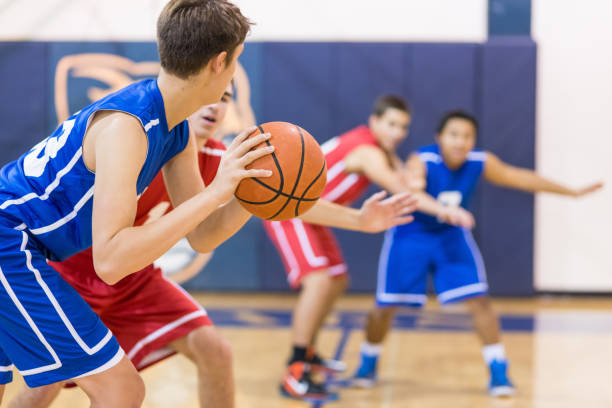
Exploring Performance and Sports Psychology in Philadelphia, PA: Boosting Mental Resilience in Athletes
Cognitive-Behavioral Therapy (CBT)
CBT is one of the most common approaches used by sports psychologists. It helps athletes identify negative thought patterns and replace them with constructive ones. This method is particularly useful for managing performance anxiety, fear of failure, or self-doubt.
Key components include: – Cognitive restructuring: Challenging unhelpful thoughts like “I’m not good enough” or “I’ll never succeed.”
– Goal setting: Breaking down long-term objectives into manageable short-term tasks to improve focus and motivation. – Visualization: Encouraging athletes to mentally rehearse positive performances to build confidence.
Mindfulness and Relaxation Techniques
Mindfulness-based counseling interventions help athletes center their attention on the present moment, reducing distractions and stress. Relaxation techniques such as deep breathing exercises or progressive muscle relaxation can help regulate physiological responses during intense competition.
Key mindfulness practices include: – Breathing exercises (e.g., 4-7-8 method). – Body scanning meditation for awareness of physical tension. – Guided imagery to create a sense of calm before competitions.
Motivational Interviewing (MI)
Motivational interviewing is used to inspire intrinsic motivation within athletes. This collaborative counseling technique highlights the athlete’s own values and goals, empowering them to take ownership of their development.
Core principles of MI include: 1. Expressing empathy toward the athlete’s struggles. 2. Using open-ended questions to explore barriers and opportunities. 3. Encouraging commitment through affirmations that build self-belief.
Emotional Regulation Training
Athletes frequently face emotionally charged scenarios such as losses, injuries, or public criticism. Emotional regulation training helps them manage intense emotions effectively without letting these emotions hinder performance.
Effective strategies include: – Identifying triggers for anger, frustration, or anxiety. – Developing coping mechanisms such as reframing setbacks as learning experiences. – Practicing gratitude journaling to shift emotional focus toward positivity.
| Counseling Technique | Focus Area | Expected Outcome |
| Cognitive Behavioral Therapy | Negative thought patterns | Improved confidence; reduced anxiety |
| Mindfulness Techniques | Present-moment awareness | Decreased stress; better focus |
| Motivational Interviewing | Intrinsic goal setting | Increased drive; sustained engagement |
| Emotional Regulation Training | Managing emotional intensity | Enhanced composure under pressure |
Group Interventions
Group counseling sessions can be effective for building team cohesion while addressing shared challenges among athletes on the same team or competing at similar levels. These sessions may involve role-playing exercises, peer feedback discussions, and collective visualization practices aimed at fostering mutual support.
Investing in these tailored counseling interventions allows sports psychologists not only to address individual challenges but also to create environments where mental resilience thrives—empowering athletes with skills they can rely on throughout their careers. Through consistent practice of these techniques under professional guidance, athletes can enhance both their performance and overall well-being simultaneously.
Unlocking Potential: Sports Performance Coaching in Philadelphia, PA Through Biofeedback
Biofeedback is a fascinating and scientifically backed tool used by sports psychologists to help athletes achieve peak performance. By leveraging biofeedback, athletes gain a deeper understanding of how their bodies respond to stress, performance pressure, and physical exertion. This form of therapy focuses on self-regulation techniques that can significantly enhance both mental and physical abilities.
What is Biofeedback?
Biofeedback is a technique that enables individuals to monitor physiological processes—such as heart rate, muscle tension, breathing patterns, skin temperature, and brain activity—in real time via specialized instruments. These measurements provide valuable insights into the athlete’s stress levels and physiological state under various conditions.
With this information, athletes are trained to regulate these processes consciously. Over time, consistent practice with biofeedback can help athletes develop better control over their body’s responses during high-pressure scenarios.
Benefits of Biofeedback for Athletes
- Stress Management: Helps athletes identify early signs of stress and apply relaxation techniques to stay calm under pressure.
- Improved Focus: Enhances concentration levels by reducing distractions and maintaining clarity in critical moments.
- Better Recovery: Assists in managing post-performance recovery by lowering muscle tension and regulating heart rate.
- Optimized Breathing Techniques: Teaches effective breathing patterns that improve oxygen flow during physical activity.
- Enhanced Emotional Regulation: Supports emotional stability by controlling physiological reactions tied to anxiety or frustration.
Common Biofeedback Tools Used in Sports Psychology
| Tool | Purpose | Example Applications |
| Heart Rate Monitors | Measures heart rate variability (HRV) | Managing pre-game nervousness |
| Electromyography (EMG) | Tracks muscle tension | Preventing unnecessary strain or injury |
| Electroencephalography (EEG) | Assesses brainwave activity | Improving focus or entering “flow states” |
| Temperature Sensors | Monitors changes in body temperature | Identifying stress-related signals |
How Biofeedback Techniques Are Applied in Sports
- Relaxation Training: Athletes practice deep breathing exercises or progressive muscle relaxation while monitoring feedback from devices like HR monitors or EMG tools.
- Visualization Exercises: Combining biofeedback data with mental imagery allows athletes to mentally rehearse optimal performance while staying physiologically calm.
- Mindfulness Practices: Cultivating mindfulness through real-time feedback enhances awareness of bodily sensations, helping athletes maintain focus during competition.
- Customized Interventions: Every athlete’s needs differ; biofeedback strategies are tailored based on individual goals and data trends.
Real-Life Impacts of Biofeedback on Athlete Performance
- Professional golfers have used EEG data to enhance focus during critical shots.
- Runners have employed respiratory control methods aided by HR monitors for sustained endurance in marathons.
By systematically teaching self-regulation techniques through biofeedback, sports psychologists empower athletes with the tools needed not just for success but also for resilience under demanding conditions.
Enhancing Athlete Success with Sports Performance Psychology in Philadelphia, PA
Sports psychologists play a critical role in helping athletes achieve optimal performance by combining physiological and psychological techniques. These methods address both the mental and physical demands of sports, ensuring athletes perform at their peak while maintaining overall well-being.
Key Psychological Techniques
- Establishing short-term and long-term objectives.
- Using SMART (Specific, Measurable, Achievable, Relevant, Time-bound) goals to track progress.
- Regularly revising goals based on athlete development.
- Guiding athletes to mentally rehearse movements or scenarios before competition.
- Enhancing confidence through the visualization of success.
- Incorporating meditation or breathing exercises to reduce stress levels.
- Teaching athletes how to remain present during high-pressure situations.
- Helping athletes manage negative self-talk or intrusive thoughts.
- Developing coping strategies for overcoming performance anxiety.
Physiological Techniques for Athlete Optimization
To complement psychological interventions, physiological methods are often employed to enhance performance while reducing injury risks.
| Technique | Purpose | Examples |
| Biofeedback Training | Monitoring physical responses to stress or performance | Heart rate variability tracking, EMG training |
| Nutrition Counseling | Optimizing energy levels and recovery | Creating individualized meal plans |
| Sleep Management | Improving rest for better focus | Sleep hygiene education |
Integrating Both Approaches
- Performance Routines: Blending pre-competition routines (such as warm-ups) with mental readiness tools like affirmations.
- Injury Recovery: Addressing the psychological impact of injuries while developing tailored rehabilitation plans that incorporate relaxation techniques and gradual physical exercises.
- Team Dynamics: Working with teams on communication skills alongside developing trust-building activities to enhance collaboration.
The Role of Technology
- Wearable devices can monitor physiological data such as heart rate or sleep cycles in real-time.
- Mobile apps can facilitate mindfulness exercises or track progress toward mental skill development goals.
- Virtual reality (VR) offers immersive environments for simulation training, helping athletes practice under realistic competitive conditions.
By leveraging both physiological tools and psychological expertise, sports psychologists provide customized solutions that empower athletes in their pursuit of excellence. This multifaceted approach not only enhances performance but also fosters resilience, ensuring long-term success both on and off the field.
How a Sports Mental Therapist in Philadelphia, PA Helps Athletes Succeed
Sports psychology has played a transformative role in the careers of many elite athletes, helping them overcome mental barriers, enhance focus, and achieve peak performance. Below are examples of renowned athletes who have successfully integrated sports psychology techniques into their training and competition routines.
Michael Jordan: Harnessing Mental Fortitude
Michael Jordan, widely regarded as one of the greatest basketball players in history, attributed much of his success to his mental resilience. Known for his ability to perform under pressure, Jordan practiced techniques such as visualization and mindfulness to stay calm during critical moments. Utilizing these mental strategies allowed him to maintain focus and deliver consistent performances throughout his career.
Key takeaways from Jordan’s use of sports psychology: – Visualization: Mentally rehearsed game-winning shots to build confidence.
– Mindfulness: Focused on the present moment during high-stakes situations.
– Goal-setting: Broke long-term goals into smaller, achievable milestones.
Serena Williams: Mastering Emotional Regulation
Tennis legend Serena Williams has openly discussed how sports psychologists have helped her refine her mental game. Through emotional regulation practices such as cognitive reframing and self-talk, she has been able to manage on-court frustrations while staying composed during intense matches.
Benefits seen in Serena’s career from sports psychology techniques: 1. Cognitive Reframing: Turned negative experiences into learning opportunities. 2. Positive Self-Talk: Built confidence with affirmations during challenging matches. 3. Stress Management: Reduced pre-match anxiety with relaxation techniques.
Novak Djokovic: Using Mindfulness for Consistency
Novak Djokovic credits mindfulness training and meditation as critical factors in his rise to tennis dominance. He adopted breathing exercises and concentration drills to sharpen his psychological preparedness for competitive play.
How Djokovic benefited from sports psychology: – Meditation Techniques: Enhanced clarity under pressure. – Breathing Exercises: Controlled nerves during high-pressure moments like tie-breakers. – Mental Focus Training: Improved endurance for prolonged matches.
| Technique | Athlete Example | Key Benefit |
| Visualization | Michael Jordan | Increased confidence |
| Cognitive Reframing | Serena Williams | Managed emotional stress |
| Meditation/Breath Control | Novak Djokovic | Improved clarity & consistency |
Simone Biles: Overcoming Mental Barriers in Gymnastics
Simone Biles is a prime example of how addressing mental health is crucial for athletic success. After experiencing “the twisties” (a condition where gymnasts lose spatial awareness mid-air), Biles worked with sports psychologists to regain confidence and adjust her training routine.
Lessons from Biles’ experience: – Destigmatized discussions about athlete mental health. – Focused on self-care and reducing overwhelming pressures. – Leveraged sports psychology techniques to return stronger after setbacks.
Lessons Learned from These Athletes
The stories of athletes like Michael Jordan, Serena Williams, Novak Djokovic, and Simone Biles illustrate the pivotal role that psychological well-being plays in achieving athletic excellence. By incorporating visualization, mindfulness practices, positive self-talk, or tailored interventions into their routines, these athletes not only improved their performance but also redefined what it means to be mentally resilient in competitive environments.
- Sports Counselling Philadelphia, PA: Mental Training Programs for Youth Athletes
- Understanding Performance Psychology in Philadelphia, PA: How It Supports Athlete Success
- Unlock Your Potential with Sport Performance Training in Philadelphia, PA
- 6 Proven Strategies for Sport Performance Training in Philadelphia, PA to Build Lasting Confidence in Youth Athletes
- Key Skills for Sports Counselling in Philadelphia, PA
- How a Sports Psychologist in Philadelphia, PA Can Boost Mental Well-Being and Athletic Performance
- Sports Counselling Philadelphia, PA: Youth Sports Psychology and Mental Skills Training for Kids and Parents